By the Nutrition for Surgery team · Published 23 October 2026 · 7 minute read
Nil by mouth means you must not eat or drink anything for a set time before an anaesthetic or sedation. The reason is simple: an empty stomach is much safer when you are asleep. Fasting before surgery sounds easy, but the exact times differ from one hospital to the next, so the instructions on your own letter always come first.[1]
This article explains the usual pattern, shows how three NHS hospitals set their times differently, and lists the questions worth asking before the day.
Key points
- Most hospitals ask you to stop food about six hours before your anaesthetic and clear fluids about two hours before. Your own hospital’s times override any general rule.[2][3]
- The point is an empty stomach, so nothing can come up into your lungs while you are under.[1]
- Milk, soup, sweets, chewing gum and fizzy drinks are not clear fluids. Treat them like food.
- Keep taking your usual medicines unless your team tells you otherwise. Blood thinners, diabetes medicines and weight-loss injections need specific advice.[1]
- If you eat or drink by mistake, tell the team. Your operation may be delayed or cancelled.[1]
Why you are asked to fast before an operation

An anaesthetic relaxes the body’s protective reflexes. If the stomach holds food or fluid, it can come back up, and if it reaches the lungs it can cause serious damage. Hospitals describe fasting as a safety step, not a test of willpower.[1][3]
The rules apply to general anaesthetic and to spinal or epidural injections, and one hospital’s leaflet covers sedation too.[1][2] The aim is not to leave you hungry or dry for hours. That is why clear fluids are usually allowed for longer than food.
How long do you have to fast before surgery?
The common pattern is to stop all food about six hours before your anaesthetic, and to stop clear fluids about two hours before.[2][3] That sounds neat, but each hospital turns it into its own clock times, based on whether you are on a morning or afternoon list.
Here is how three NHS hospitals do it. They are examples to show the spread, not rules for you.
| Hospital | Food | Clear fluids | Gum and sweets |
|---|---|---|---|
| Kingston Hospital page updated June 2026[1] |
None from midnight (morning list) or from 7am (afternoon list) | Unlimited until 6.30am (morning) or 11.30am (afternoon), then sips of up to one 170ml cup an hour | Not allowed |
| Chelsea and Westminster Hospital[2] | All food and drink, including tea, coffee, milk and soup, stops 6 hours before your appointment | Water only, up to 2 hours before, then nothing | Gum is on the list to avoid |
| Northern Lincolnshire and Goole leaflet dated 2021[3] |
No food or milk after 2.30am (morning list). Afternoon list: a light breakfast finished by 7.30am | Between 5.30am and 6.30am (morning) or 10.30am and 11.30am (afternoon), then stop | Not allowed |
The differences are real. One hospital lets you sip fluids right up until you are called, another stops everything at six hours except water. Following a rule you read online instead of your own letter is how people end up cancelled.
What counts as a clear fluid?
Clear fluids are drinks you can see through, with nothing solid in them. Where hospitals list examples, they include still water, squash without bits and black tea or coffee.[1][3] One hospital allows water only.[2]
Milk is not on the clear list at any of the three. Neither are soup or fizzy drinks.[1][2][3] The same goes for smoothies and protein shakes, which are food. For example, SurgiFuel Pre-Op is a food supplement you mix with water or milk, so it belongs before your food cut-off, never after it. Your surgical team has the final say on anything you are unsure about.
Some hospitals also give a carbohydrate drink before surgery. That is a different thing from a normal drink, and your team will tell you when to have it. What to Eat Before Surgery explains how that works.
Chewing gum, sweets and other small things
A mint or a piece of gum can feel harmless, but all three hospitals ask you to avoid gum and sweets during the fasting window.[1][2][3] Treat them like food. If you are not sure whether something counts, leave it out and ask.
What about your medicines?
Fasting does not mean skipping every tablet. Kingston Hospital asks patients to keep taking their usual medicines up to and including the day of surgery unless told otherwise, and to bring them to hospital.[1]
A few need special handling. Blood thinners such as warfarin may need to be stopped or swapped, and weight-loss injections have their own instructions given at pre-assessment.[1][3] People with diabetes receive separate guidance.[1] Never stop a medicine on your own because you are fasting. Ask the pre-assessment team.
What if you eat or drink by mistake?
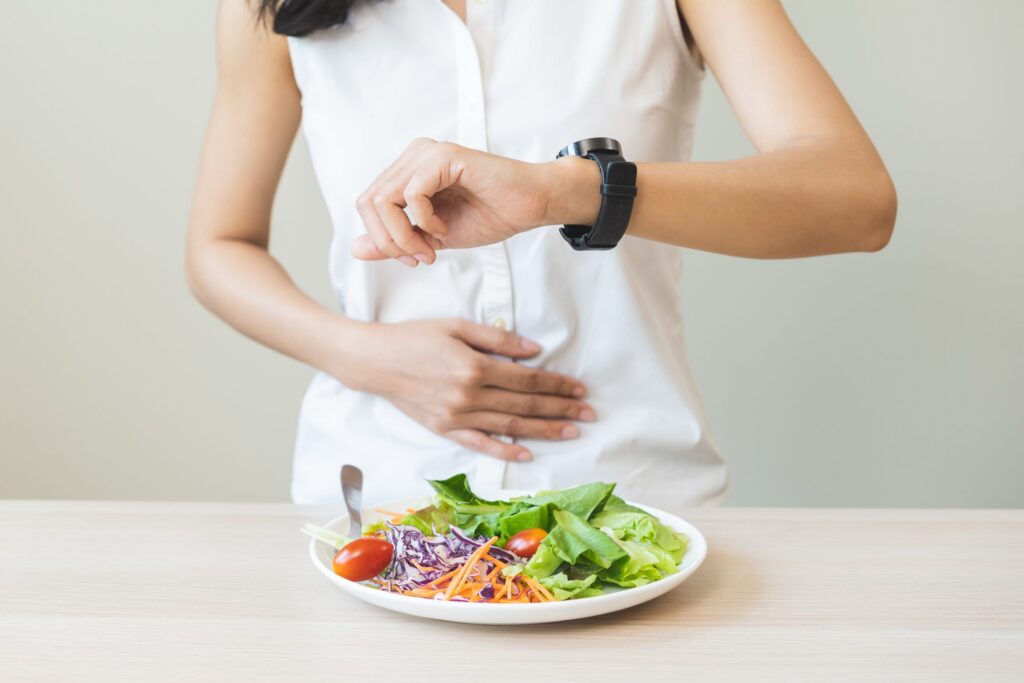
Tell the team as soon as you realise, and tell them again when you arrive. Hospitals warn that your operation may be cancelled if the fasting rules are not followed.[1][2]
The leaflets do not say what happens in each case, because it depends on what you had and when. Being honest lets the anaesthetist decide what is safest for you.
What if your operation is delayed?
Theatre lists change, and the leaflets we read do not explain what to do if your slot moves. It is worth asking at your pre-assessment, so you know who to call and whether you can keep having small sips of clear fluid while you wait.
Questions to ask your team about fasting
- What time exactly do I stop food, and what time do I stop clear fluids?
- Which drinks count as clear fluids for you?
- Which medicines should I take on the morning of surgery, and which should I stop?
- If my operation time changes, who do I call, and what should I do about eating and drinking?
- Will I be given a carbohydrate drink before surgery?
The printable questions checklist has a whole section on eating and drinking, so you can tick these off at your appointment.
The short version
Fasting before surgery is a short window with firm rules, and your own hospital’s letter is the one to follow. If anything is unclear, call the pre-assessment team before the day rather than guessing on the morning.
Frequently asked questions
How long should you fast before surgery?
Most hospitals ask you to stop food about six hours before your anaesthetic and clear fluids about two hours before. The exact clock times depend on your hospital and on whether your operation is in the morning or afternoon, so follow the instructions on your letter.[2][3]
Can you drink water before surgery?
Usually yes, up to about two hours before. One hospital allows unlimited clear fluids until a set time and then small sips of up to one 170ml cup an hour until you are called, while another allows water until two hours before and nothing after. Check which applies to you.[1][2]
Can you have tea or coffee before surgery?
It depends on the hospital. Some allow black tea or coffee as a clear fluid until the fluid cut-off, while others stop all tea and coffee at the six-hour mark. Milk is not treated as a clear fluid.[1][2][3]
Can you chew gum or suck a sweet before an operation?
Not at the hospitals we looked at. All three ask you to avoid chewing gum and sweets during the fasting window, so treat them as food.[1][2][3]
Sources
- Kingston and Richmond NHS Foundation Trust, Fasting before surgery (Kingston Hospital, page updated 3 June 2026).
- Chelsea and Westminster Hospital NHS Foundation Trust, Fasting before general anaesthetic or sedation (no date shown on the page).
- Northern Lincolnshire and Goole NHS Foundation Trust, Adult fasting guidelines (patient leaflet issued June 2021, one trust’s example only).
Keep reading
What to Eat Before Surgery: Protein, Fasting and Carb Drinks · The Complete Guide to Nutrition Around Surgery · Questions to Ask Your Surgical Team
This article is general information, not medical advice, and it does not replace advice from your surgical team, dietitian or GP. Professor Sandip Hindocha, who founded Nutrition for Surgery, has a financial interest in SurgiFuel™. We cite our sources and review articles about every six months; see our editorial policy. Next planned review: April 2027.