By the Nutrition for Surgery team · Published 23 October 2026 · 7 minute read
Many people have little appetite after an operation, and it is usually something you can work around. The most useful advice from NHS dietitians is to eat little and often, make each mouthful count with full-fat and protein-rich foods, and ask for help if you keep losing weight.[1][2]
This guide pulls together practical tips from two NHS dietetic leaflets, with a table for common problems and a note on when to speak to your team.
Key points
- Aim for small portions about five to six times a day, including snacks, rather than three big meals.[1]
- Choose full-fat and protein-rich foods, and add butter, cheese, honey, cream or Greek yoghurt to meals.[1]
- Have drinks between meals. If you fill up easily, drink after your meal rather than before.[1]
- Weigh yourself regularly, or notice whether your clothes are loosening.[1]
- If you keep losing weight, tell your doctor, nurse or dietitian. Do not wait for it to pass.[1][2]
Why a small appetite is so common
An operation is a big event for the body, and eating can slip down your list while you manage pain, tiredness and a change in routine. Many people eat less than usual for a while, which is why hospital dietitians publish leaflets on it.[1][2]
The trouble is that hospitals advise getting enough protein after an operation, which is harder with a small appetite. Our article on how much protein you need after surgery explains why that matters. The practical question is how to eat more when you do not feel like it.
Eat little and often
If a full meal feels like too much, eat smaller portions more often. NHS dietitians suggest having something at every mealtime and aiming for about five to six times a day, including snacks between meals.[1]
A small plate can feel more manageable than a big one. Another hospital leaflet describes the same pattern, with about three small meals plus two or three snacks or milky drinks a day.[2]
Make every mouthful count
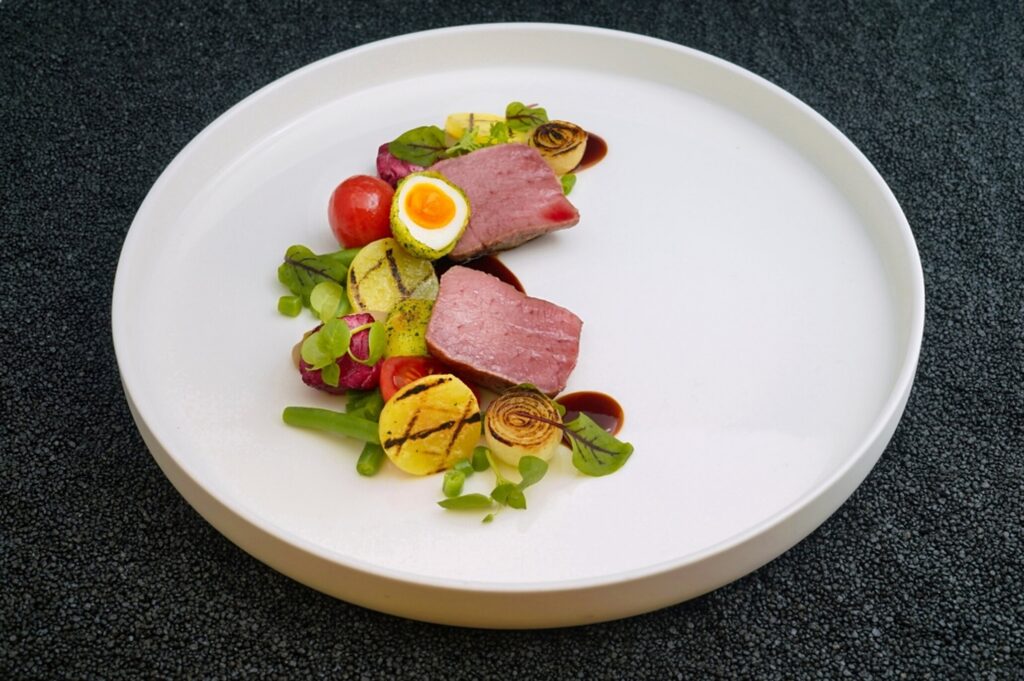
When you can only eat a little, choose foods that pack in energy and protein. Full-fat milk and thick, creamy yoghurt are better choices than “diet”, “low fat” or “low calorie” versions while your appetite is small.[1]
You can also fortify everyday food. Stir butter, grated or cream cheese, honey, jam, cream or Greek yoghurt into meals, and include protein foods such as meat, fish, beans, lentils, cheese, eggs, tofu and nuts.[1] Once your appetite returns to normal, go back to a balanced diet.[1]
Keep easy snacks within reach
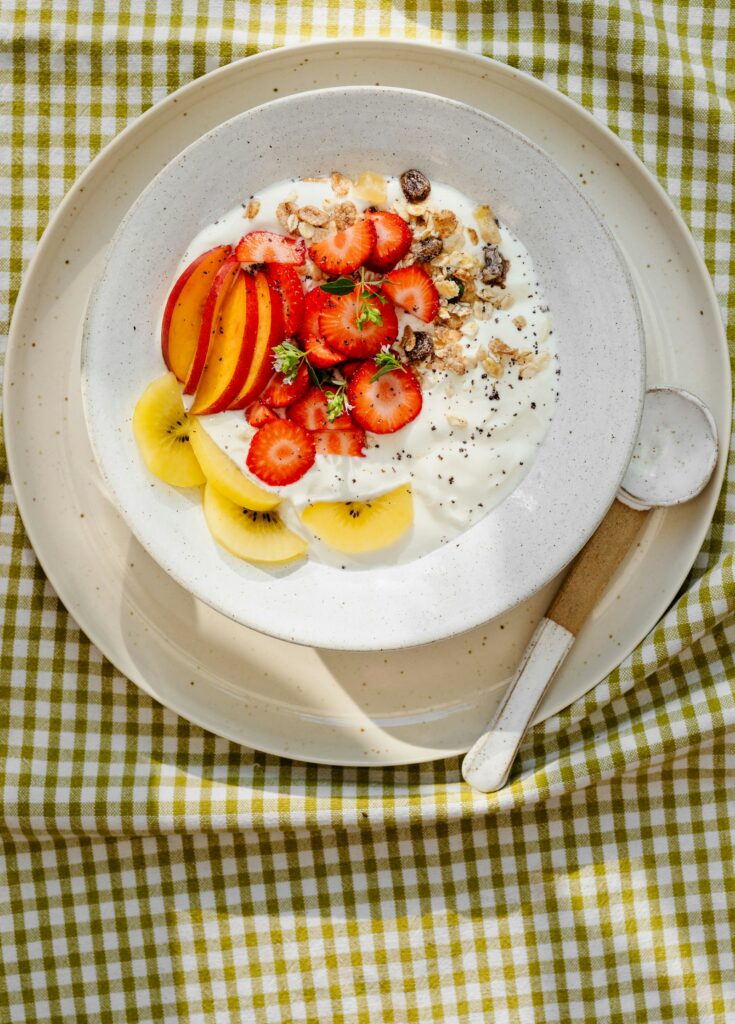
If you have to make an effort to eat, you will skip it. Keep snacks close, such as crackers with cheese, toast with a topping, cereal bars, full-fat yoghurt, mousse or a custard-based dessert.[1] In hospital, one leaflet suggests keeping fruit, biscuits, chocolate, crisps, jelly or rice pudding by the bed.[2]
Drink between meals, or after them
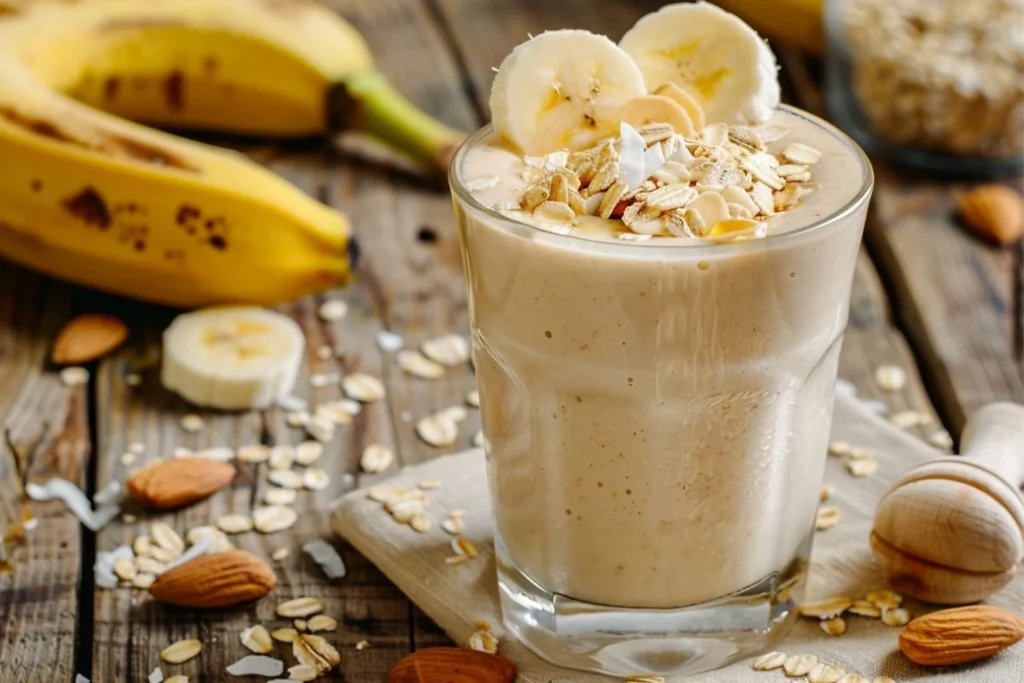
Milk, milkshakes, smoothies, malted milks and hot chocolate all add energy and some protein.[1] If you feel full easily, have these after a meal or between meals, so a drink does not fill the space your food needs.[1]
Where a food supplement fits
Powdered supplements that you mix with milk are sold in supermarkets and pharmacies, and the Leicester leaflet suggests using them between meals.[1] If your team prescribes nutrition drinks, use them as directed.
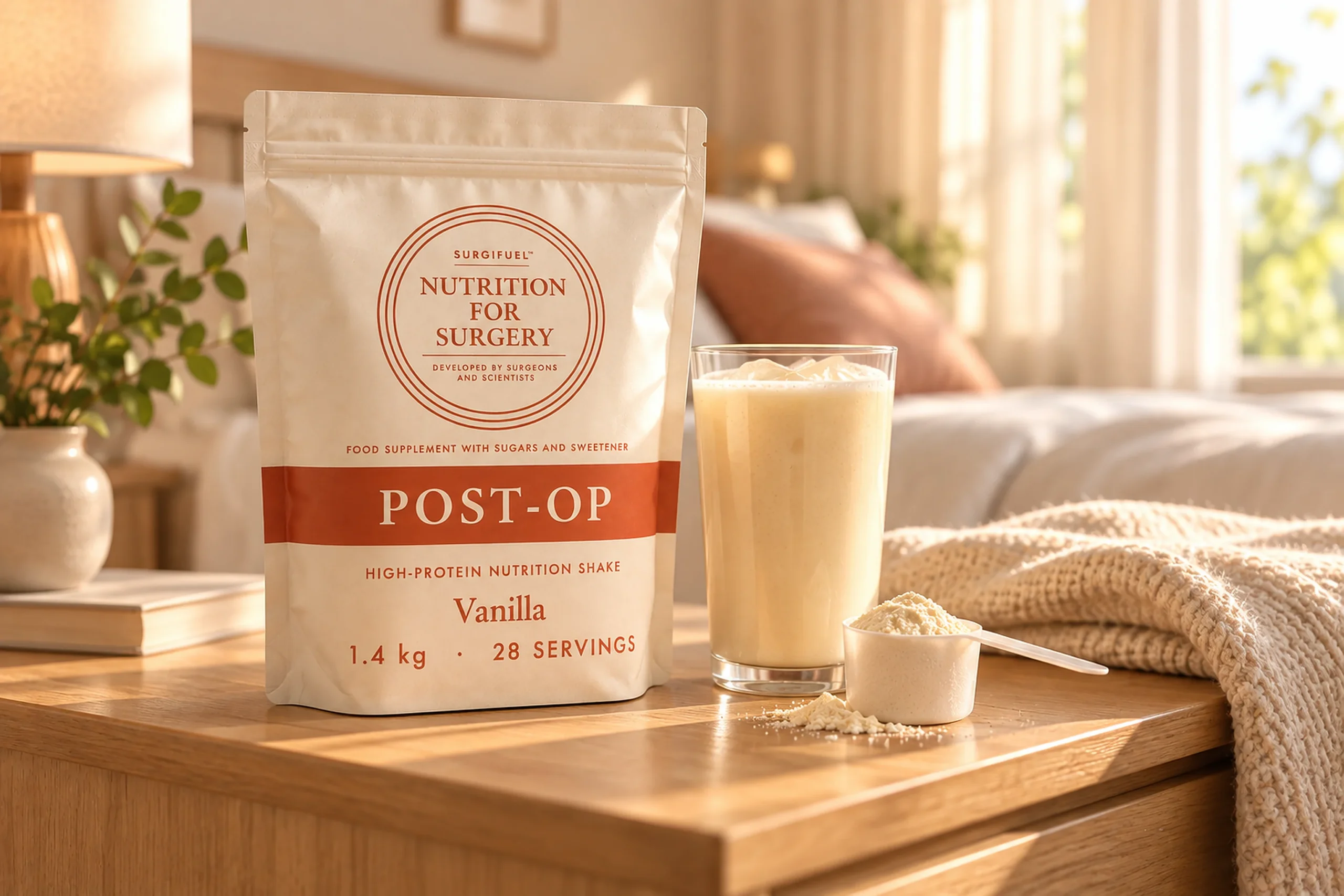
SurgiFuel Post-Op is a high-protein food supplement that some people use as a top-up between meals. It does not replace meals or your team’s advice, so mention it to your dietitian or nurse. A 50 g serving has 9.6 g of protein and 166 kcal and is mixed with about 300 ml of water or milk. That is a fair amount to drink if you fill up easily, so ask your team how it should fit around your meals.
Common problems and what to try
| If this is your problem | Try this |
|---|---|
| Big meals feel like too much | Smaller portions, five to six times a day.[1] |
| You fill up quickly | Have drinks after meals, not before.[1] |
| Nothing sounds good | Eat your favourite foods when you feel most hungry.[1] |
| Cooking is too much effort | Use convenience foods and ready-to-eat snacks.[1] |
| Eating alone feels flat | In hospital, ask about supported mealtimes, and ask family to join you.[2] |
Take your time, and move a little

The Leicester leaflet suggests taking your time over meals, and that gentle exercise may help your appetite, if your team says it is safe for you to do it.[1]
Keep an eye on your weight
Weigh yourself regularly and keep a record. If you cannot weigh yourself, notice whether your clothes or jewellery feel looser.[1] If you keep losing weight, talk to your doctor, nurse or dietitian.[1]
The Dudley leaflet adds that you should contact your GP if you are still losing weight several weeks after leaving hospital, even after trying these tips.[2]
When to ask for help sooner
A poor appetite is one thing. If you cannot keep fluids down, are being sick, or feel worse instead of better, do not wait. Contact your surgical team or NHS 111 for advice. That is general safety advice, not specific to any one operation.
The short version
Eat small amounts often, fortify what you eat, keep snacks close, drink between meals and watch your weight. If it is not improving, ask for help. Our printable questions checklist has a section for after the operation and going home.
Frequently asked questions
Is it normal to have no appetite after surgery?
Yes, many people eat less than usual for a while, and dietitians publish leaflets on it. Small meals, full-fat foods and drinks between meals can help, and you should ask for help if you keep losing weight.[1][2]
How can I increase my appetite after surgery?
Eat small portions five to six times a day, eat favourite foods when you feel most hungry, keep easy snacks within reach, and take your time. Gentle exercise may help if your team says it is safe.[1]
What should I eat if I have no appetite after an operation?
Choose full-fat and protein-rich foods and add butter, cheese, honey, cream or Greek yoghurt to meals. Snacks such as crackers with cheese, toast with a topping or full-fat yoghurt work well.[1]
Should I drink before or after meals when I have a small appetite?
If you fill up easily, drink after meals rather than before. Milk, milkshakes, smoothies and hot chocolate between meals add energy.[1]
Sources
- University Hospitals of Leicester NHS Trust, Eating enough to support your recovery at home (leaflet 963, last reviewed June 2024, next review June 2027). The leaflet is general advice for a poor appetite and does not mention surgery.
- Dudley Group NHS Foundation Trust, Tips for a small appetite in hospital (patient leaflet originated 2015, last reviewed 2019, so check the current advice with your ward).
Keep reading
How Much Protein Do You Need After Surgery? · The Complete Guide to Nutrition Around Surgery · What to Pack for Eating and Drinking in Hospital
This article is general information, not medical advice, and it does not replace advice from your surgical team, dietitian or GP. Professor Sandip Hindocha, who founded Nutrition for Surgery, has a financial interest in SurgiFuel™. We cite our sources and review articles about every six months; see our editorial policy. Next planned review: April 2027.