By the Nutrition for Surgery team · Published 23 October 2026 · 7 minute read
If you have a date for surgery, the best eating plan is a steady one. Have regular meals, put protein in every one of them, keep up with fruit and vegetables, and do not crash diet. NHS hospitals describe good nutrition before an operation as linked to fewer complications and a shorter stay.[1][2]
This article turns that advice into everyday meals, and explains when to ask for a dietitian instead of guessing.
Key points
- Start eating well as soon as your surgeon tells you an operation is planned.[2]
- Aim to include a protein food at every meal. One NHS leaflet suggests about a third of each meal.[1]
- Keep up fruit, vegetables and wholegrains, and favour unsaturated fats over saturated ones.[1]
- Do not crash diet before surgery. Losing weight faster than your team advises can mean you are not getting enough nutrition.[1]
- If your appetite is small or you are losing weight without trying, ask for a dietitian referral.[2]
Why eating well before surgery matters
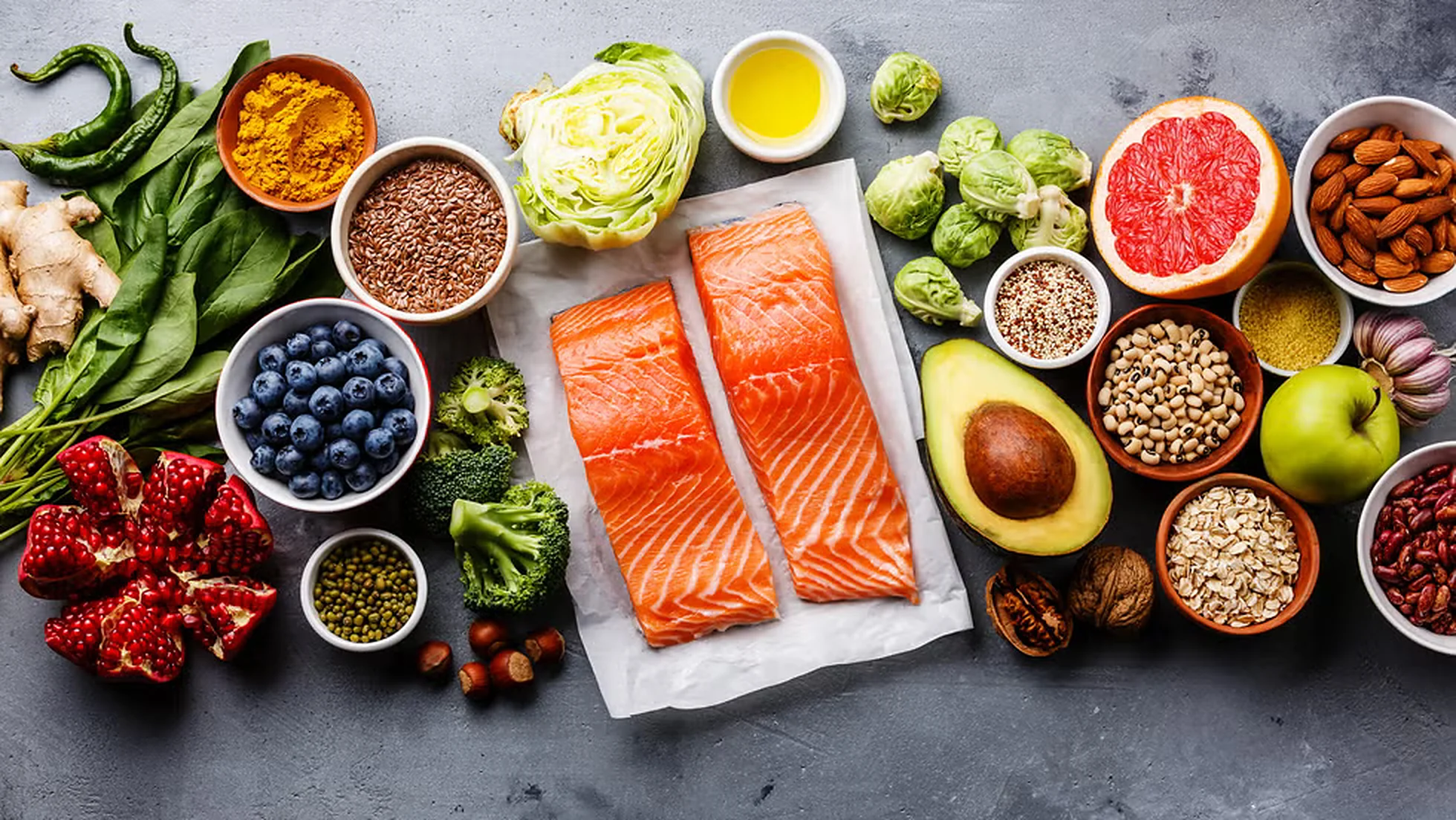
Your body uses protein to repair tissue and to maintain muscle, and muscle can be lost quickly when you are unwell or less active.[2] Hospitals ask patients to eat well beforehand so they go into surgery with as much in reserve as possible.[1][2]
This is about steady habits, not a special diet. The leaflets we read are clear that it is not about starving yourself or cutting out foods you enjoy.[1]
Start as soon as surgery is planned
There is no need to wait for a pre-assessment appointment. One NHS trust advises aiming for a varied, nutrient-rich, balanced diet from the point your surgeon tells you an operation is planned.[2] If your consultant or dietitian gives you different instructions, follow theirs first.
Put protein in every meal
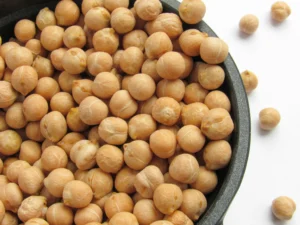
Choose a high-protein food at each meal from meat, fish, eggs, cheese and dairy, nuts and seeds, soya or pulses.[1] One leaflet suggests aiming for roughly a third of each meal to be protein.[1]
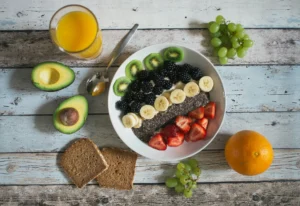
That works for vegetarians too. Beans, lentils, tofu, eggs, dairy and nuts all count. Here are some ideas that build protein in without much effort.
| Meal | Ideas with protein built in |
|---|---|
| Breakfast | Eggs on wholegrain toast. Porridge made with milk and topped with nuts. Yoghurt with fruit and seeds. |
| Lunch | Bean or lentil soup with wholemeal bread. A tuna or cheese sandwich on wholegrain bread with salad. |
| Main meal | Fish, chicken, tofu or beans with plenty of vegetables and brown rice or wholegrain pasta. |
| Snacks | Cheese and crackers. A handful of nuts. A milky drink or a pot of yoghurt. |
Keep up fruit, vegetables and wholegrains
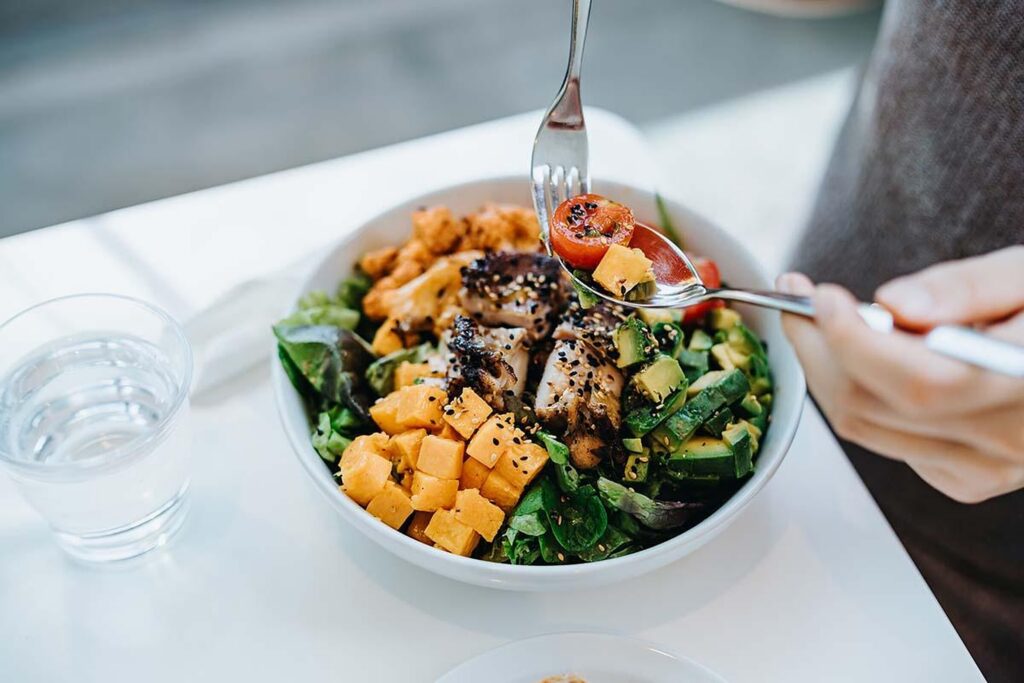
The same leaflet suggests at least five portions of fruit and vegetables a day, and wholegrain choices such as wholemeal bread, brown rice and wholegrain pasta. Adding extra vegetables to a sauce or soup is an easy start.[1]
It also suggests swapping some saturated fat (fatty and processed meats, pastries) for unsaturated fats such as olive oil, oily fish, nuts and seeds. Fats are high in calories, so this is a swap, not a cut.[1]
Do not crash diet before surgery
If you are told to lose weight before an operation, do it with your team. One leaflet describes a healthy loss as 1 to 2 kg a month, and warns that losing weight faster than that may mean you are not getting enough nutrition.[1]
Some people are advised to gain weight instead. Either way, the plan should come from your surgeon or dietitian.
Keep moving, if your team says you can
The same NHS leaflet recommends regular activity, avoiding long spells of sitting, and some resistance exercise built up gradually, because muscle needs both food and use.[1] Ask your team what is right for you, especially if you have a health condition.
If your appetite is small or you are losing weight
Do not wait. Ask for a referral to a dietitian, who can look at your whole diet and consider prescribed nutrition drinks if needed.[2]
In the meantime, you can add calories to ordinary meals with butter, cheese or full-fat milk, and have nourishing drinks such as milk or hot chocolate.[2]

Where a protein supplement fits
Food comes first. The NHS leaflet we read says protein supplements are only needed if your diet does not provide enough, and that a dietitian may prescribe them.[1]
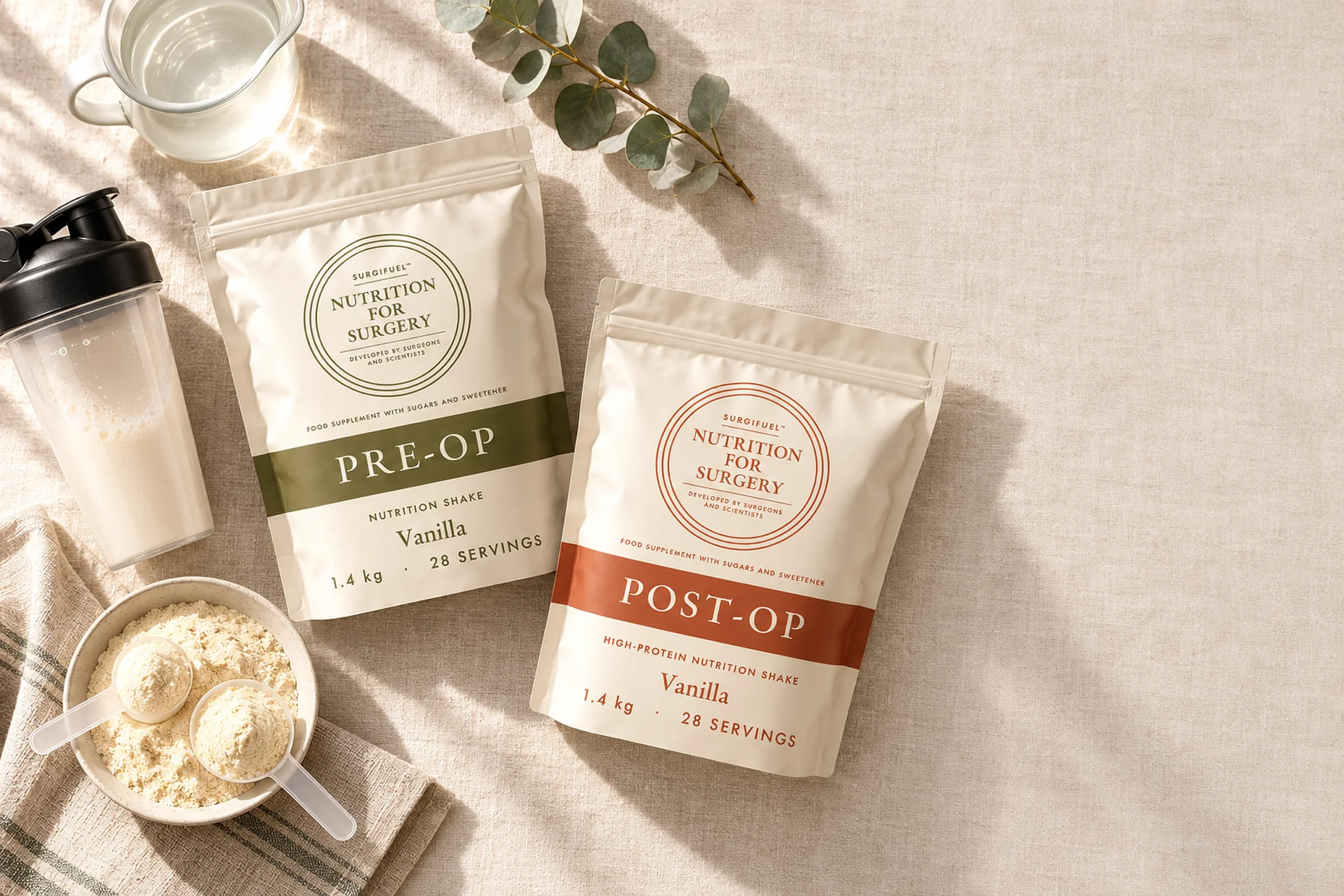
If you eat little and want to top up, a food supplement can be a practical option. SurgiFuel Pre-Op is a food supplement that is a source of protein. Each 50 g serving has 9.8 g of protein, so two servings a day add about 20 g beside your meals. It is a top-up, not a replacement for meals. Tell your team about anything you take, and remember it counts as food when it comes to fasting times.
Vitamin D and other supplements
One trust’s leaflet recommends a vitamin D supplement before surgery, and says a multivitamin may help but is not essential and does not replace a balanced diet.[1] Because amounts vary, ask your pharmacist or dietitian what is right for you. Should You Take Supplements Before Surgery? covers this in more detail.
Eating well does not change your fasting rules
On the day, your hospital’s fasting instructions override any eating plan. What Does Nil by Mouth Mean Before Surgery? explains how the times work and what to ask.
The short version
Eat regularly, put protein in every meal, keep your vegetables up, and speak to a dietitian early if eating is hard. Our printable checklist includes the nutrition questions to take to your appointment.
Frequently asked questions
Should you eat more protein before surgery?
Hospitals advise including a protein food at every meal, and one leaflet suggests about a third of each meal. You do not need a special diet, just steady, regular protein from foods you enjoy, unless your dietitian advises otherwise.[1]
Can you lose weight before surgery?
Only with your team’s guidance. One NHS leaflet describes a healthy loss as 1 to 2 kg a month and warns that faster loss may mean you are not eating enough. Some patients are advised to gain weight instead.[1]
How many portions of fruit and vegetables should you eat before surgery?
One NHS leaflet suggests at least five portions a day, with wholegrains such as wholemeal bread and brown rice. Adding extra vegetables to sauces and soups is an easy way to start.[1]
Do you need a protein supplement before surgery?
Not always. One leaflet says protein supplements are only needed if your diet does not provide enough, and that a dietitian may prescribe them. If you struggle to eat enough, ask for a referral, and tell your team about any supplement you use.[1][2]
What should you do if you have no appetite before surgery?
Ask for a dietitian referral and add calories to meals with butter, cheese or full-fat milk. Nourishing drinks such as milk or hot chocolate can help too.[2]
Sources
- Dudley Group NHS Foundation Trust, Preoperative diet (patient leaflet originated March 2022, review date December 2024).
- East Lancashire Hospitals NHS Trust, Eating well before surgery (Surgery School, no date shown on the page).
Keep reading
What to Eat Before Surgery: Protein, Fasting and Carb Drinks · The Complete Guide to Nutrition Around Surgery · Questions to Ask Your Surgical Team
This article is general information, not medical advice, and it does not replace advice from your surgical team, dietitian or GP. Professor Sandip Hindocha, who founded Nutrition for Surgery, has a financial interest in SurgiFuel™. We cite our sources and review articles about every six months; see our editorial policy. Next planned review: April 2027.