
By the Nutrition for Surgery team · Published 13 November 2026 · 6 minute read
Most hospitals ask you to stop smoking as early as you can before surgery and to cut down on or stop alcohol, because both slow healing and raise the risk of infection and breathing problems.[1][2][3] Caffeine is different. The leaflets we read do not ask you to give up tea or coffee, so the main rule is to follow the fasting instructions on the day.
This article sets out what hospitals say about each, how far ahead they suggest acting, and where to get help. Your own team may give different timings, so follow their advice if it differs.
Key points
- Stopping smoking six to eight weeks ahead gives the most benefit, but even 24 to 72 hours before surgery helps, and you should never smoke on the day.[1][3]
- Some operations need three months without nicotine, so check with your team.[1]
- Stopping alcohol for just two weeks improves your body’s response to surgery, and a month is suggested if you drink three or more drinks a day.[2]
- Alcohol affects infection defence, bleeding control and wound healing.[2][3]
- None of the leaflets we read mention caffeine, so there is no standard instruction to stop it.
Smoking and surgery
Smoking narrows blood vessels and reduces the oxygen in your blood, which slows wound healing.[1] It also raises the risk of chest infections, anaesthetic complications and a longer stay in hospital.[1]
The benefits start quickly and keep building. This table shows the timings the leaflets give.
| Time without smoking | What the leaflets say |
|---|---|
| Within one hour | Circulation improves, and blood pressure and pulse begin returning to normal.[1] |
| 8 hours | Carbon monoxide levels halve and oxygen levels recover.[1] |
| 72 hours | Carbon monoxide is cleared and blood oxygen improves.[3] |
| 4 weeks | Lower risk of chest and wound infections.[2] |
| 6 to 8 weeks | The most benefit. Eight weeks reduces the risk of breathing problems after surgery about threefold.[1][3] |
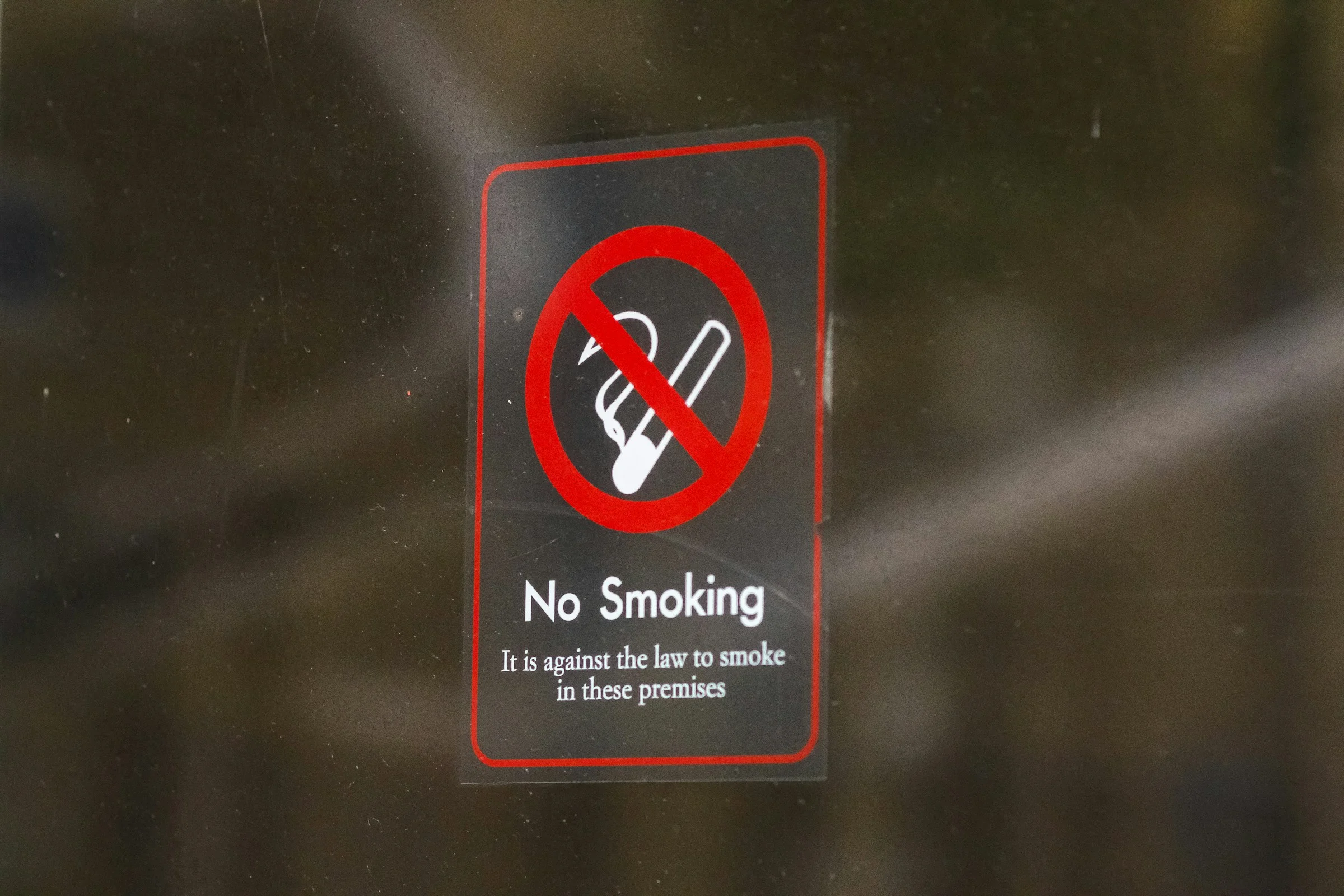
If you cannot manage weeks, stopping for a day or two is still worth it.[1] Some operations, such as certain plastic surgery, ask for no nicotine at all for four weeks before and at least two weeks after.[1]
Vaping and nicotine replacement
Vaping is much less harmful than smoking but it is not risk free, and high-nicotine vapes may affect how flaps, limbs and bone heal.[1] Not everyone can use nicotine replacement, so check with your surgical team first.[1]
Support makes a difference. One leaflet says help roughly quadruples your chances of quitting, with options including one-to-one sessions, group support and medication.[1] NHS Smokefree at smokefree.nhs.uk is a good place to start, and your GP or pre-operative assessment team can refer you.[1][2]
Alcohol before surgery
The recommended limit is 14 units a week. Drinking more than that can affect the liver, kidneys and heart, and raises the risk of bleeding, infection and slower wound healing.[3]
Stopping for just two weeks before surgery improves your body’s response, and if you usually have three or more drinks a day, a month gives your heart time to recover.[2] Stopping drinking and smoking also lowers the risk of a bowel repair breaking down after bowel surgery.[2]
If you drink heavily, speak to your GP before stopping suddenly, because that can need medical support. The Aneurin Bevan leaflet lists the 24-hour DAN helpline on 0808 808 2234.[3] On the day of surgery itself, fasting rules apply, which nil by mouth before surgery explains.
What about caffeine
None of the leaflets we read mention caffeine, so there is no standard instruction to stop tea or coffee in the weeks before an operation.[1][2][3] What does matter is the fasting advice on the day, which your hospital will give you in writing.

If you drink a lot of caffeine, cutting back gradually is usually more comfortable than stopping overnight, because some people get headaches. Herbal tea or water are easy swaps. Ask your team if you are unsure.
Small habits that help recovery
The Wirral leaflet suggests practising deep breathing and coughing exercises three times a day before surgery and brushing your teeth and using mouthwash twice a day.[2] Short daily walks also build fitness for surgery. The eating plan before surgery pairs well with these changes.
Tell your team honestly
Be open at pre-operative assessment about how much you smoke and drink. It lets the team plan your anaesthetic and recovery, and offer support. For some plastic surgery, a urine test for nicotine one to two weeks before can lead to cancellation if positive.[1]
If you are not sure what to ask, the questions for your surgical team checklist is a useful place to start. You can also see the complete surgery nutrition guide for the wider picture.
The short version. Stop smoking as early as you can, cut down or stop alcohol at least two weeks ahead, ask before changing heavy caffeine habits, and tell your team what you actually use.[1][2][3]
Frequently asked questions
How long before surgery should I stop smoking?
As early as you can. Six to eight weeks gives the most benefit, one leaflet suggests at least four weeks, and even 24 hours helps.[1][2] Some operations need three months, and you should never smoke on the day of surgery.[1]
Can I vape instead of smoking before surgery?
Vaping is much less harmful than smoking but not risk free, and some operations ask you to avoid all nicotine, including vapes, patches and gum.[1] Ask your surgical team.
How long before surgery should I stop drinking alcohol?
Stopping for at least two weeks improves your body’s response to surgery, and a month is suggested if you drink three or more drinks a day.[2] If you drink heavily, speak to your GP before stopping suddenly.
Do I need to give up tea and coffee before surgery?
None of the leaflets we read ask you to. Follow the fasting instructions your hospital gives you for the day of the operation, and ask your team if you are unsure.[1][2][3]
Will my surgery be cancelled if I smoke?
Not usually, but for some plastic surgery a positive nicotine test one to two weeks beforehand can lead to cancellation.[1] Tell your team so they can help.
Sources
- University Hospitals Birmingham, Stop before your op (issued January 2024; review due January 2027).
- Wirral University Teaching Hospital, Improving your fitness for surgery (no date shown on the page).
- Aneurin Bevan University Health Board, Alcohol and smoking before surgery, PIU1758 (issued May 2025; expires May 2028).
Keep reading
Nil by mouth before surgery · Eating plan before surgery · Questions for your surgical team
This article is general information, not medical advice, and it does not replace advice from your surgical team, dietitian or GP. Professor Sandip Hindocha, who founded Nutrition for Surgery, has a financial interest in SurgiFuel™. We cite our sources and review articles about every six months; see our editorial policy. Next planned review: May 2027.