By the Nutrition for Surgery team · Published 13 November 2026 · 6 minute read
Anaemia means your blood carries less oxygen than it should, and the most common cause is low iron.[1] Hospitals check for it before planned surgery because people with anaemia are more likely to need a blood transfusion, stay longer in hospital and have a harder recovery.[1][2] It is treatable, and treating it early may make those problems less likely.[1][3]
This article explains how anaemia is found, what treatment looks like and how food fits in. Food supports treatment, but your pre-operative team decides whether you need iron tablets or an iron infusion.
Key points
- Blood tests at pre-operative assessment check for anaemia and low iron, and usually vitamin B12 and folate too.[2]
- Treatment is usually iron tablets if there are more than about six weeks to go, or an iron infusion if time is short or tablets do not suit you.[1][2]
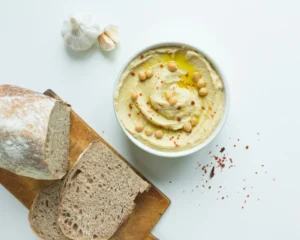
- Iron-rich foods include red meat, fish, poultry, pulses, dark green vegetables, nuts, seeds and fortified cereals.[1]
- Tea and the phytates in pulses, nuts and grains can limit how much iron you absorb.[1][3]
- Treatment doses are several times higher than health-supplement doses, so do not self-treat without a blood test.[3]
How anaemia is found
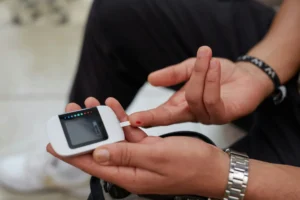
Blood tests at the pre-operative assessment clinic show anaemia and low iron, and your vitamin B12 and folate are usually checked as well.[2] If those are low, your GP may be asked to correct them before surgery.[2]
Timings differ between hospitals. One leaflet describes a repeat blood test four to six weeks before surgery, while another asks for a repeat about four weeks after treatment starts.[1][2] Surgery may sometimes be delayed so that anaemia can be investigated or treated.[3]
If you are unsure what your results mean, it is worth raising them with your team. The checklist of questions for your surgical team has a few that fit here.
Why it matters before an operation
Compared with people who are not anaemic, people with anaemia are more likely to need a transfusion during or after surgery, to stay longer in hospital and to have a more difficult recovery.[1] Correcting it beforehand may reduce those risks and help you feel better.[2]
Iron is also one of the nutrients covered in the piece on eating for wound healing, alongside protein and vitamin C.
Iron-rich foods to include
The hospital leaflets we read list much the same everyday foods. Aim for a few of them across the day rather than relying on one.
| Food group | Examples | Worth knowing |
|---|---|---|
| Meat, fish and poultry | Beef, lamb, pork, chicken, fish | One leaflet suggests no more than about 70 g of red meat a day.[1] |
| Pulses | Beans, peas, lentils, chickpeas | Phytates in pulses can limit how much iron you absorb.[1][3] |
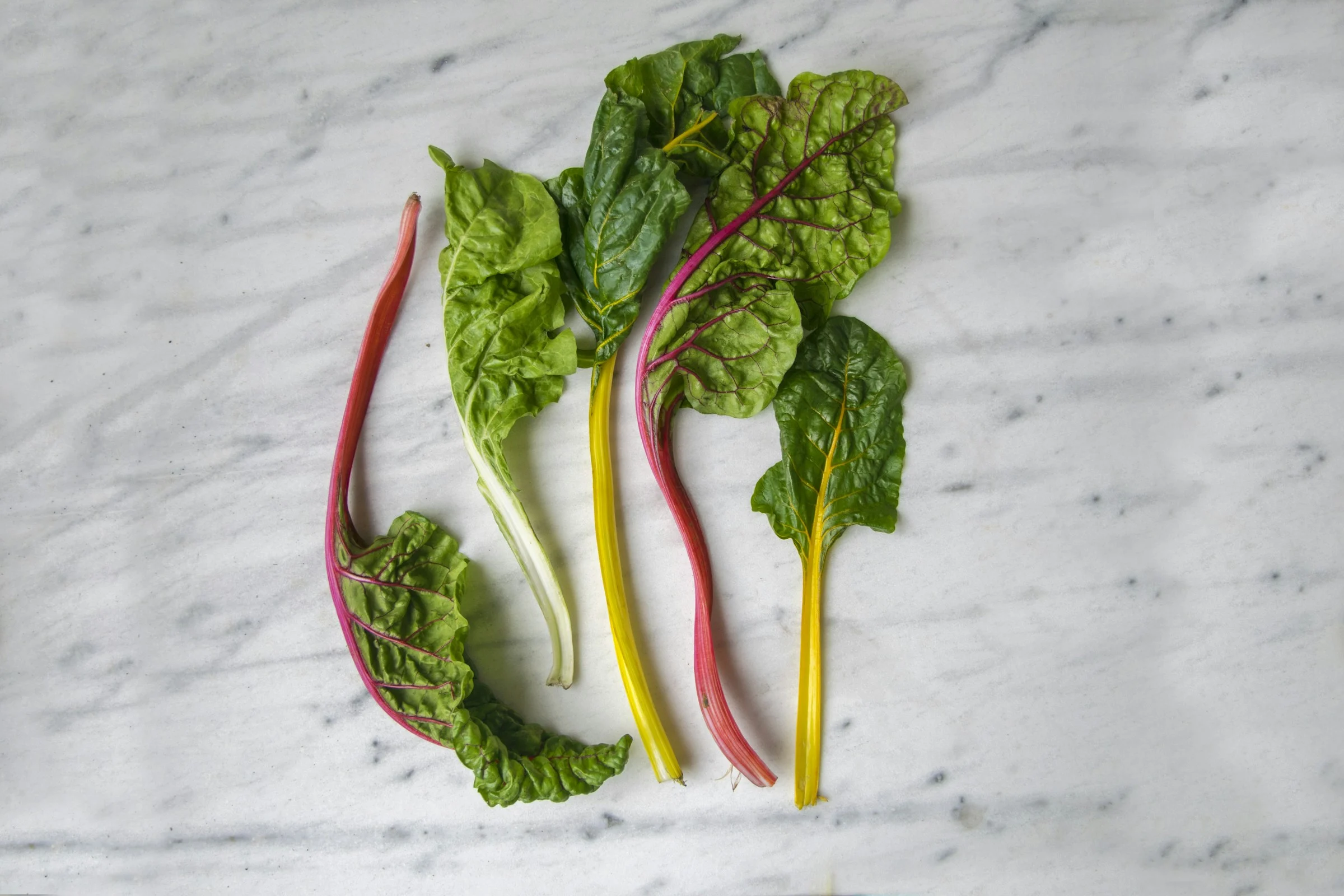
| Dark green vegetables | Spinach, kale, broccoli | Easy to add to soups, stir-fries and sides.[1] |
| Nuts and seeds | Almonds, cashews, pumpkin seeds | Also contain phytates.[1][3] |
| Fortified foods | Many breakfast cereals, and all UK bread except wholemeal | Check the label on cereals.[1] |
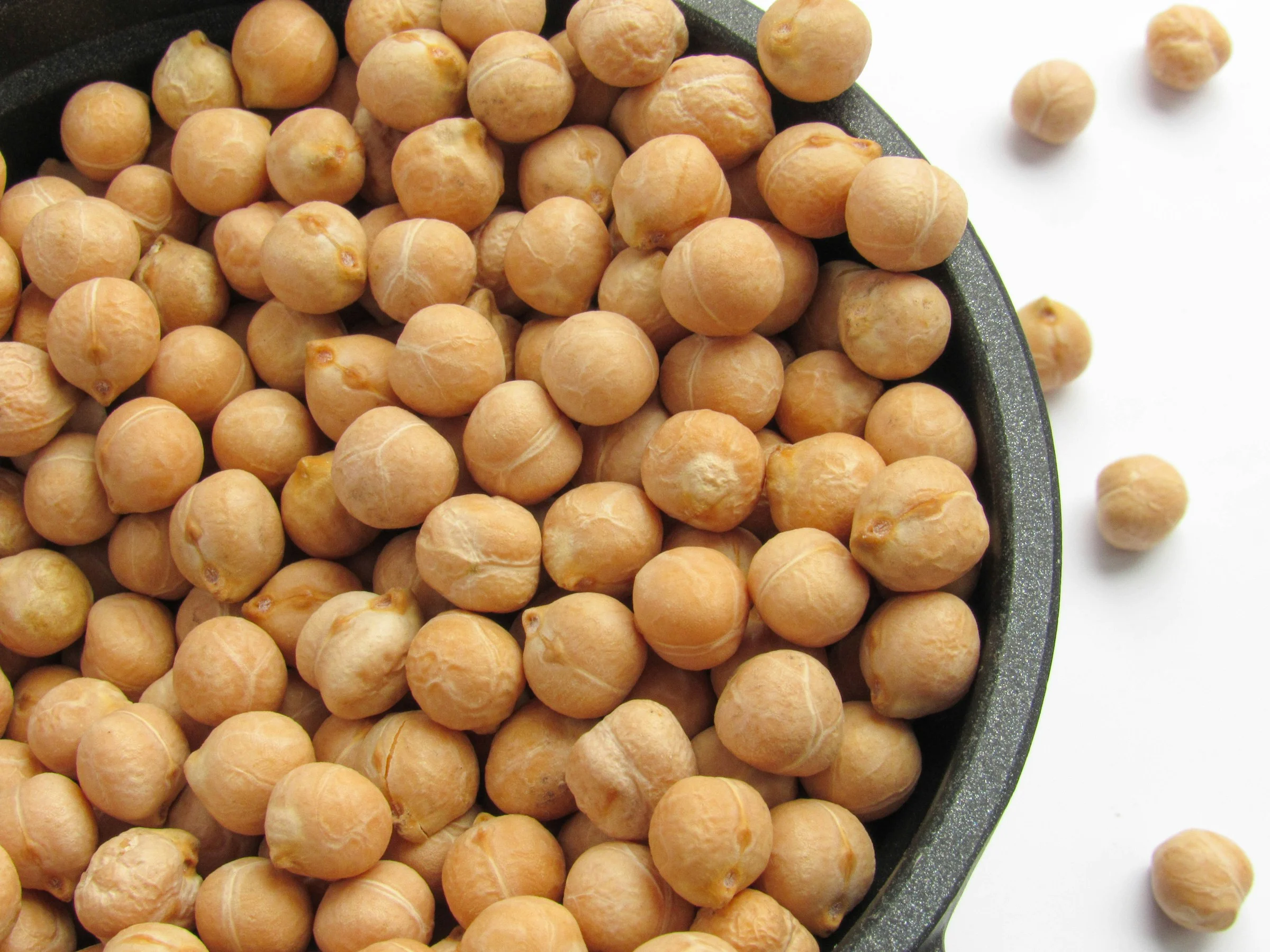
The Centre for Perioperative Care also lists vitamin B12 sources (meat, fish, cheese and eggs) and folate sources (green leafy vegetables, broccoli, peas, chickpeas and brown rice).[3] If you eat no meat, vegetarian and vegan eating before surgery shows how to plan around pulses, nuts and seeds. For ideas on turning these foods into meals, see the eating plan before surgery.
Vitamin C, tea and coffee
Advice on vitamin C is not uniform. One hospital suggests taking an iron tablet on an empty stomach or with a vitamin C drink such as orange juice, while two other leaflets say that vitamin C does not seem to increase absorption.[1][2][3] If you are prescribed tablets, ask which approach your team prefers.

Tea is clearer. Two leaflets advise against taking iron with tea, because it limits absorption.[1][3] Neither mentions coffee, so ask your pharmacist if you usually have it with your tablet.
Food matters too. Tablets are generally taken on an empty stomach, one hour before or two hours after eating, and absorption can fall by up to 75% with food.[1][3] Taking iron on alternate days may improve absorption and reduce side effects.[1][3]

Iron tablets and iron infusions
| Treatment | When it may be used | Things to know |
|---|---|---|
| Iron tablets | Usually offered when there are more than six weeks before surgery.[1] | Taken at the same time each day. Side effects can include nausea, diarrhoea, stomach discomfort or constipation, and dark stools are expected.[1] |
| Iron infusion | Considered if surgery is within about four weeks, or if you cannot tolerate or absorb tablets.[2] | Given through a drip in the arm and takes about two hours. A second dose may be needed.[2] |
If you are having an infusion, you will be told when to stop and restart tablets.[1] Treatment with tablets may carry on for up to four months after surgery, so it matters to finish the course.[1] If tablets leave you constipated, the advice in constipation after surgery may help as well.
Why not simply buy supplements
The dose used to treat anaemia is several times higher than the dose in health supplements.[3] Some multivitamins also contain iron, and antacids and certain antibiotics can reduce absorption, so check with a pharmacist before combining them.[1]
If you have only just found out that you are iron deficient, see your GP, because anaemia can sometimes signal another health problem.[1] The post on supplements before surgery covers what is worth asking about before you buy anything.
Protein shakes such as the Pre-Op shake are a food supplement and not a treatment for anaemia, so they do not replace iron prescribed by your team.
The short version. Ask about your blood results, follow the treatment your team gives you, eat iron-rich foods through the day, keep tea away from your iron and avoid buying high-dose supplements on your own.[1][2][3]
Frequently asked questions
Can I fix anaemia with food before surgery?
Food supports treatment, but whether you need iron tablets or an infusion is decided by your pre-operative team after blood tests.[1][2] Eat iron-rich foods and follow the plan you are given.
Should I take iron tablets before my operation without being told?
No. Treatment doses are several times higher than supplement doses, and some multivitamins already contain iron.[1][3] If you have just found out you are iron deficient, see your GP first.[1]
Does vitamin C help iron absorb?
The leaflets differ. One suggests taking tablets with a vitamin C drink such as orange juice, while two say vitamin C does not seem to increase absorption.[1][2][3] Ask your team which they prefer.
Sources
- University Hospitals Sussex, Treating anaemia before your surgery (published March 2026; review due March 2029).
- Gloucestershire Hospitals, Pre-operative anaemia (review due November 2028).
- Centre for Perioperative Care, Anaemia and surgery, patient information (2025 guideline; no review date shown).
Keep reading
Eating plan before surgery · Supplements before surgery · Eating for wound healing
This article is general information, not medical advice, and it does not replace advice from your surgical team, dietitian or GP. Professor Sandip Hindocha, who founded Nutrition for Surgery, has a financial interest in SurgiFuel™. We cite our sources and review articles about every six months; see our editorial policy. Next planned review: May 2027.