
By the Nutrition for Surgery team · Published 6 November 2026 · 6 minute read
Your body needs extra protein, enough energy and a steady supply of fluids, vitamins and minerals to heal a wound after surgery.[1][2] For most people the best way to get them is ordinary food: protein at every meal and snack, fruit and vegetables, and regular drinks.[1]
This article sets out what hospital dietitians suggest and where supplements fit. It is general information, so follow any plan your team gives you.
Key points
- Include a protein food at every meal and snack, because protein helps build and repair skin and muscle.[1]
- Vitamin C, zinc and iron each play a part, and a varied diet usually supplies them.[1][2][3]
- Fluids matter too, because dehydration can delay healing.[1][2]
- A multivitamin may be suggested if you cannot eat a varied diet, but check first.[1][3]
- If you have kidney disease, ask before increasing protein or vitamin A.[1]
Protein comes first
Protein helps the body repair skin, muscle and other tissue, so needs go up while a wound heals.[1] Dietitians suggest including a protein food at every meal and in snacks.[1]
Good choices include meat, fish, eggs, dairy, beans, lentils, chickpeas, nuts, seeds, tofu and Quorn.[1] Drinking about two cups of milk a day, or one pint of full-cream milk, is a simple boost.[1][3] Our guide to how much protein you may need after surgery explains the ranges clinicians discuss.
The vitamins and minerals that matter
Leaflets from different hospitals name the same few nutrients. The daily amounts below are the adult reference figures quoted in one leaflet, not a target for supplements.[1]
| Nutrient | What it does | Foods that provide it | Adult daily reference amount |
|---|---|---|---|
| Protein | Builds and repairs skin and muscle | Meat, fish, eggs, dairy, beans, lentils, tofu | No single figure in these leaflets |
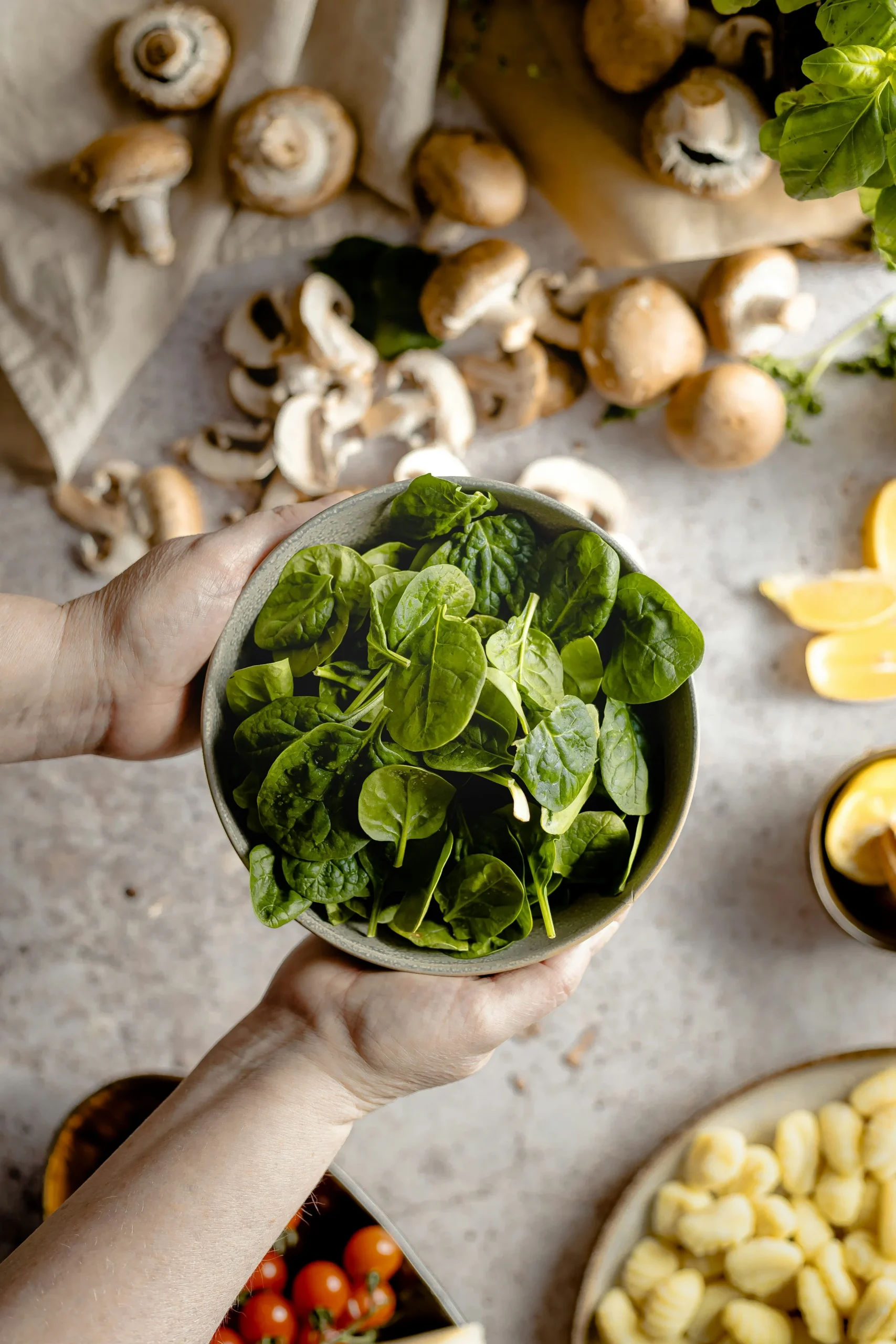
| Vitamin C | Supports new tissue and helps iron absorption | Citrus fruit, strawberries, blackcurrants, kiwi, tomatoes, broccoli, peppers | 40 mg |
| Zinc | Involved in every stage of skin repair | Red meat, fish, eggs, poultry, pulses, nuts, dairy | 9.5 mg for men, 7 mg for women |
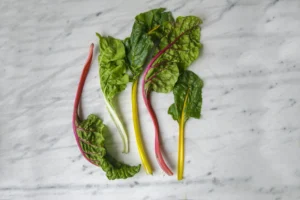
| Iron | Helps carry oxygen to healing tissue | Red meat, leafy greens, beans, nuts, seeds, fortified cereals, dried fruit | 8.7 mg for men, 14.8 mg for women aged 19 to 50, 8.7 mg for women over 50 |
| Vitamins A and E | Also support healing | Dairy, eggs, oily fish, orange and green vegetables, plant oils, nuts | No figure given |
Vitamin C taken with iron-rich food helps the body absorb the iron.[1][2]

Energy and fluids
Healing uses energy. If you eat little, protein may be burned for energy instead of repair, so starchy foods and full-fat dairy still count.[3] Hospital leaflets suggest snacks between meals and full-fat milk and yoghurt.[2]
Fluids carry nutrients to the wound. One leaflet suggests about 6 to 8 glasses (2 to 2.5 litres) a day, or about 6 glasses for older adults, unless you have a fluid restriction.[1] Another says at least eight cups.[3] Signs you may need more include thirst, dry mouth, headaches, dizziness and dark urine.[2]

A day of eating for healing
| Meal | Ideas |
|---|---|
| Breakfast | Porridge made with full-cream milk, a boiled egg, a glass of orange juice |
| Mid-morning | Yoghurt with berries, or cheese and crackers |
| Lunch | Lentil soup with bread, or a tuna and tomato sandwich |
| Afternoon | Milky drink and a handful of nuts |
| Evening | Chicken, fish or beans with potatoes and green vegetables |
| Supper | Fortified milk, or a small bowl of custard or rice pudding |
If your appetite is small, the guide to eating with no appetite and our list of high-protein foods give more ideas.
Where supplements fit
A balanced diet should supply enough vitamins and minerals.[3] If you cannot eat a varied diet or cannot eat enough, a doctor or dietitian may suggest a multivitamin and mineral supplement.[1][2] Check with your GP or pharmacist first.[3]
Nutritional drinks can top up protein and energy, but they are meant to add to meals, not replace them.[2] The Post-Op SurgiFuel™ shake is a food supplement with 9.6 g of protein per 50 g serving, and its label lists vitamins and minerals. It supports your diet and is not a treatment for a wound. For the questions to raise about vitamins and medicines, see our article on supplements around surgery.
When to ask for more help
Ask for a dietitian if your wound is slow to heal, you are losing weight or your appetite stays poor. If you have kidney disease, speak to your doctor or dietitian before increasing protein or vitamin A.[1]
The short version. Eat protein at every meal, add fruit and vegetables for vitamin C, include zinc and iron foods, drink regularly and treat supplements as a back-up checked with your team.[1][2][3]
Frequently asked questions
What should I eat to help a wound heal?
A protein food at every meal and snack, plus fruit, vegetables, starchy foods and regular drinks. Hospital dietitians suggest this rather than any single food.[1]
Which vitamin is most important for wound healing?
Vitamin C, zinc and iron are the ones most often named, along with protein. A varied diet usually covers them, so there is no need to pick one.[1][2]
Should I take vitamin C or zinc supplements?
Not automatically. A supplement may be suggested if you cannot eat well, but check with your GP, pharmacist or dietitian first.[1][3]
How much should I drink while healing?
One leaflet suggests about 6 to 8 glasses (2 to 2.5 litres) a day unless you have been told to limit fluids.[1]
Is protein really needed after surgery?
Yes, protein helps the body repair skin and muscle, so needs are usually higher while you heal.[1]
Sources
- Oxford University Hospitals, Eating for wound healing (dietitian leaflet) (issued December 2024; review due December 2027).
- East Kent Hospitals, A guide for patients about eating well to promote wound healing (no date shown on the leaflet).
- NHS Lanarkshire, Nutrition for wound healing (published April 2022; its review date has passed, so we use it only for general points).
Keep reading
How much protein after surgery · High-protein foods after surgery · The complete surgery nutrition guide
This article is general information, not medical advice, and it does not replace advice from your surgical team, dietitian or GP. Professor Sandip Hindocha, who founded Nutrition for Surgery, has a financial interest in SurgiFuel™. We cite our sources and review articles about every six months; see our editorial policy. Next planned review: May 2027.