By the Nutrition for Surgery team · Published 13 November 2026 · 6 minute read
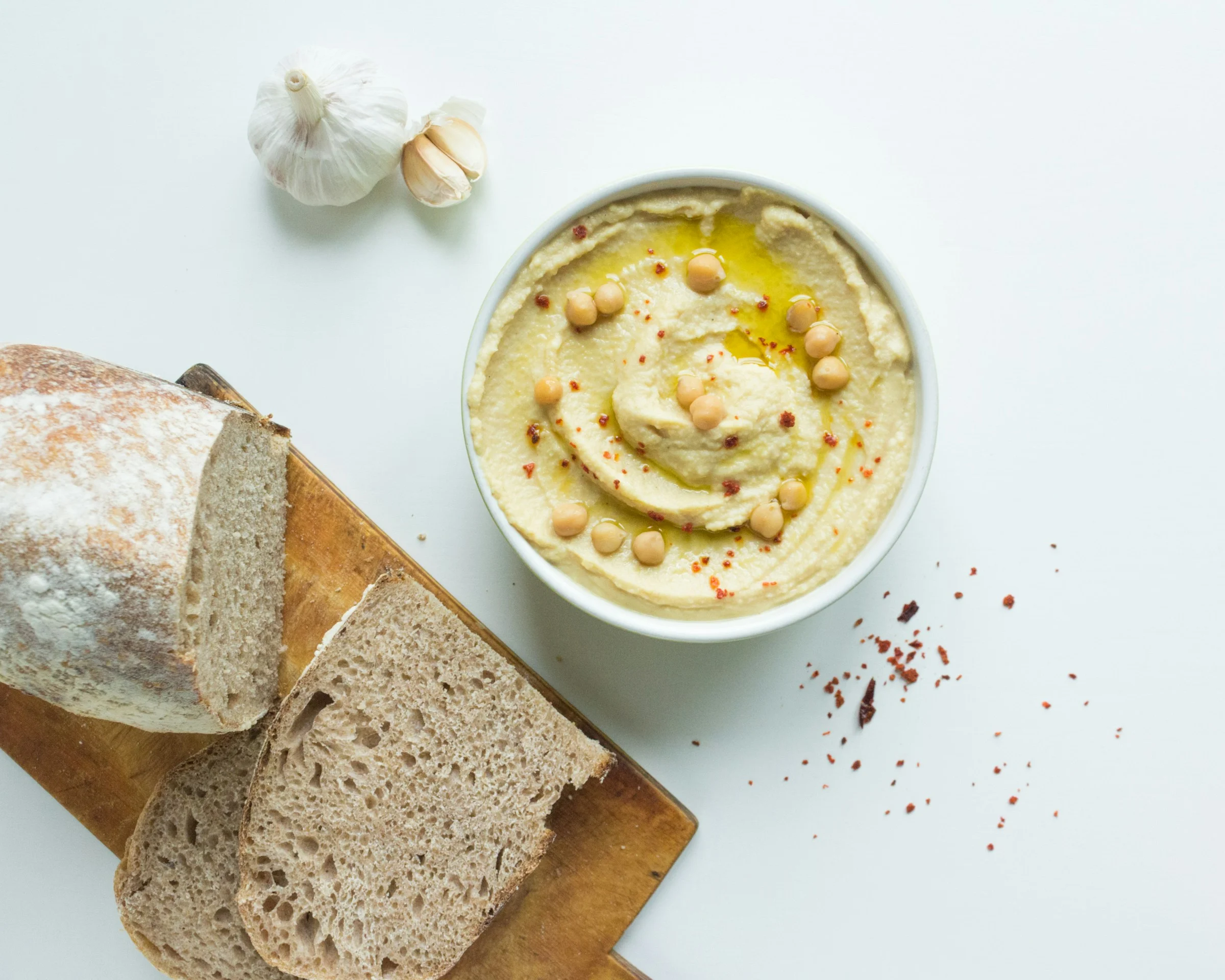
The easiest way to eat well in your first week home is to stock the freezer and cupboard before you go in, so a meal is never more than a few minutes away. Hospital dietitians suggest keeping ready-made or frozen meals for days you do not feel like cooking, and choosing foods that are easy to prepare, easy to eat and high in energy and protein.[1][2]
This article gives a practical plan covering what to cook ahead, what to stock, which snacks and soft foods work, and where a post-op shake fits. It is general information, so follow any diet your team gives you, especially after bowel or weight-loss surgery.[3]
Key points
- Do some shopping and tidying before you go in, because you may not feel like cooking or cleaning afterwards.[3]
- Freeze extra portions of soups, casseroles and other meals for days you are too tired to cook.[1][2]
- Eat little and often, with a small high-protein snack every two to three hours if you can.[2]
- Soft, moist and cold foods are often easier to eat when your appetite is low.[1]
- Check you have enough of your regular medicines for recovery at home.[3]
Shop and tidy before you go in
After an operation you may not feel like cooking or cleaning, so tidy the house and do a shop beforehand so there is food in the cupboards.[3] Keep favourite snacks and drinks where you spend most of your time, so they are easy to reach.[2]
Check best-before dates on anything you stock, and do not use food that is out of date.[1] Make sure you have enough of your regular medicines too. If you need to reorder, ask your GP about a week before surgery.[3]
Freezer meals worth making
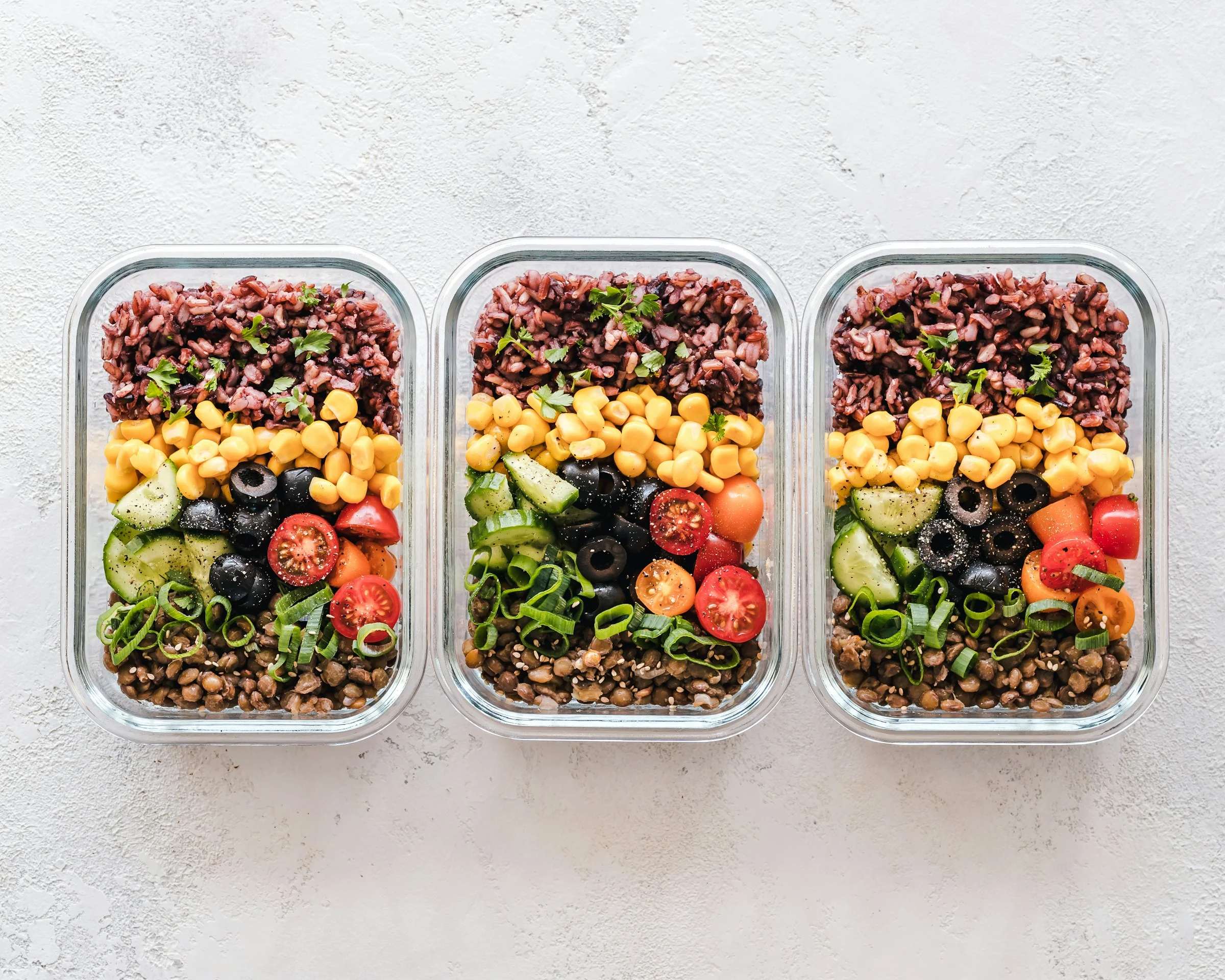
Cook a double batch in the weeks before your operation and freeze single portions. Soups, casseroles and soft dishes are the most useful because they reheat quickly and are easy to eat.[1][2]
| Meal | Why it works | Easy boost |
|---|---|---|
| Lentil or vegetable soup | Easy to eat and reheats in minutes | Add lentils, grated cheese or skimmed milk powder.[1] |
| Beef, chicken or bean casserole | One pot that freezes in portions | Add extra meat, lentils or pulses.[1] |
| Cauliflower cheese | Soft and moist, so it is easy to eat[1] | Stir extra cheese into the sauce. |
| Fish pie or cottage pie | Protein and potato in one soft dish | Add butter, cheese sauce or milk to the mash.[1] |
Cool food quickly, freeze it in single portions, label each with the date, and defrost fully before reheating until piping hot.
A stock-up list for the first week
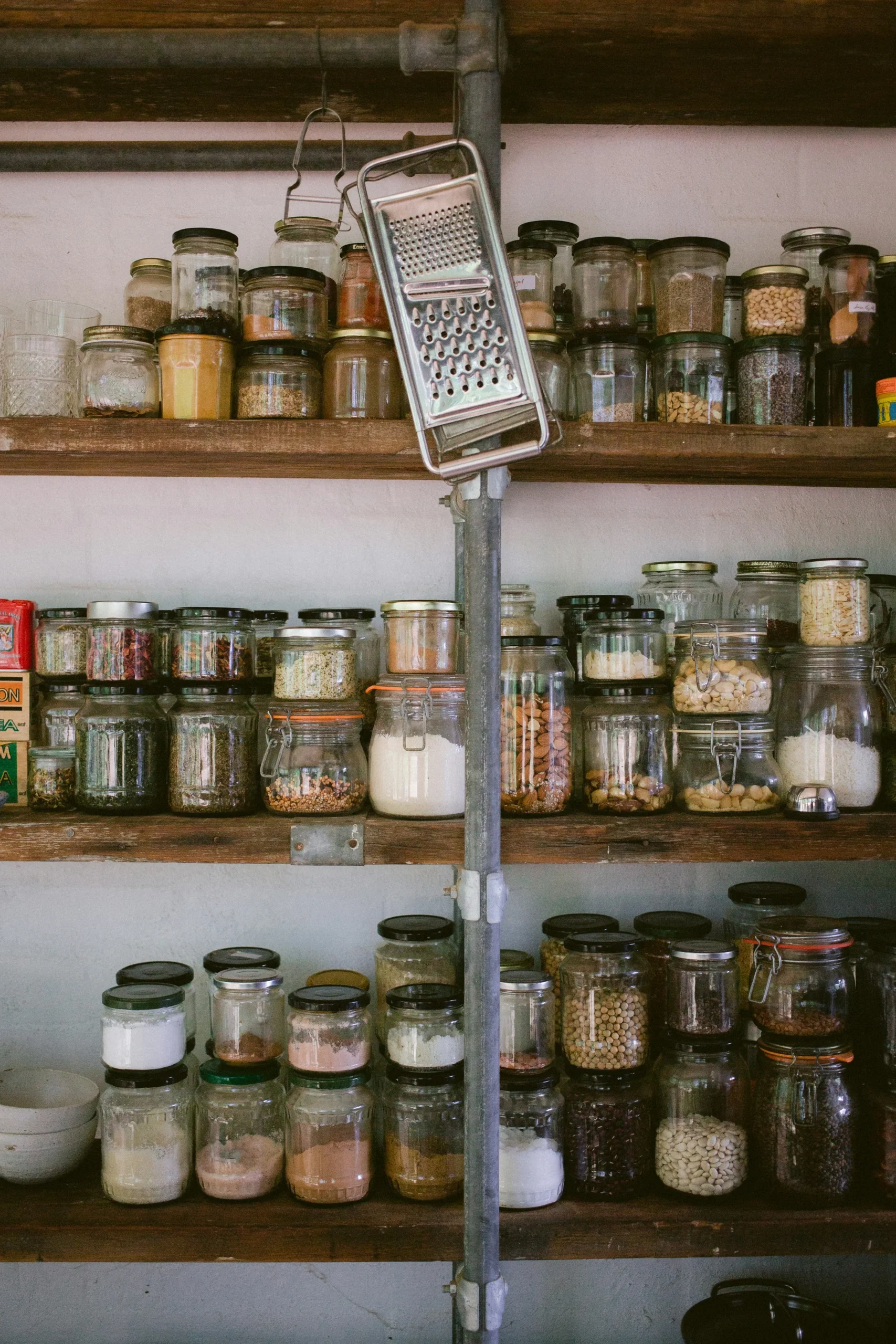
You do not need a lot, just enough that a quick meal is always possible.
| Type | Ideas |
|---|---|
| Long-life basics | Long-life milk or milk powder, tinned fish, meat and beans, tinned soup, pasta, rice and instant mashed potato.[1] |
| Quick meals | Omelettes, soup with bread and butter, toast with beans or tinned fish, jacket potatoes with toppings.[1] |
| Ready help | Ready meals, and microwave sachets of rice or pasta.[2] |
| Snacks | Crackers and cheese, crumpets with jam or honey, yoghurts, nuts and cereal with milk.[1] |
High-protein snacks to keep close
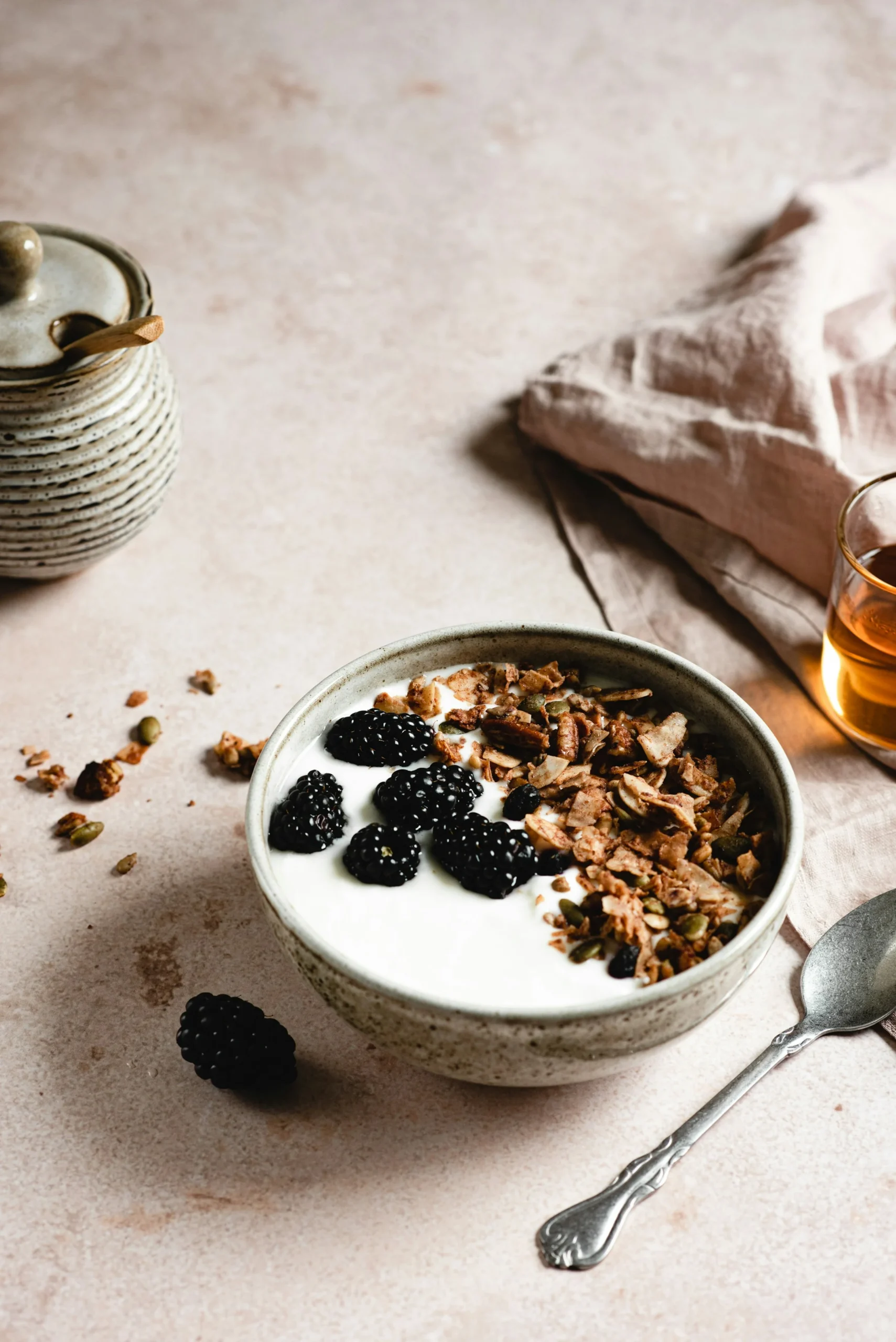
Snacks matter as much as meals when your appetite is small. Dietitians list savoury choices such as cheese and crackers, nuts and seeds, toast with poached egg or nut butter, and a nibble platter of cold meats and tinned fish.[2]
Sweet options include custard, full-fat yoghurt, rice pudding, dessert pots and fruit and nut bars.[2] The post on high-protein foods after surgery goes into more detail on protein sources.
Little and often
Many dietitians suggest eating every two to three hours, with a small high-energy, high-protein snack between meals and before bed.[2] That is often easier than three large meals.
If your appetite is poor, what to do when you have no appetite after surgery has more ideas, and feeling sick after surgery covers eating through nausea.
Soft and cold foods
Cauliflower cheese, soups, yoghurt and ice cream are easier to eat, and cold foods may be better tolerated than hot ones.[1] Chewing and swallowing can be harder after surgery, so ask your dietitian or nurse if you struggle.[2]
You can fortify food without eating more. Mix dried skimmed milk powder into whole milk, add grated cheese or double cream to soups and sauces, and stir butter, cheese sauce or milk into mashed potato and vegetables.[1]
Where a post-op shake fits
A shake can be a quick way to add protein and energy on days when a full meal is too much, if your team agrees. The Post-Op shake is a food supplement with sugars and sweetener. A 50 g serving (two scoops) contains 166 kcal and 9.6 g of protein, and the label suggests mixing it in about 300 ml twice a day for 14 days.
It is suitable for vegetarians and vegans and may contain milk. The label advises asking your doctor first if you take anticoagulant or antiplatelet medication. How to take it has mixing tips.
The short version. Shop and tidy before you go in, freeze double batches of soft, easy meals, keep high-protein snacks within reach and eat little and often.[1][2][3]
Frequently asked questions
What can I cook and freeze before surgery?
Soups, casseroles, cauliflower cheese and soft pies work well because they reheat quickly and are easy to eat.[1][2] Freeze them in single portions so you only defrost what you need.
How much food should I buy for the first week home?
Enough basics that a quick meal is always possible, such as long-life milk, tinned fish and beans, pasta, rice and snacks you like.[1][3] Do the shop before you go in.[3]
What can I eat if I have little appetite after surgery?
Try small high-protein snacks every two to three hours, and soft or cold foods such as yoghurt, soup or ice cream.[1][2] Ready meals are fine on days you are too tired to cook.[2]
Are ready meals okay after surgery?
Yes. Dietitians suggest ready meals or frozen portions for days you are too tired to cook, ideally easy to eat and high in energy and protein.[2]
Should I follow different advice after bowel or weight-loss surgery?
Yes. Follow the advice from your surgical team instead of general guidance.[3]
Sources
- University College London Hospitals, Ideas to help improve food intake before and after your operation (page updated 23 April 2025; review due 1 April 2027).
- Royal National Orthopaedic Hospital, Eating well before and after surgery (page updated 29 January 2026; next review December 2027).
- Homerton Healthcare, Preparing for your surgery (no date shown on the page).
Keep reading
High-protein foods after surgery · No appetite after surgery · Feeling sick after surgery
This article is general information, not medical advice, and it does not replace advice from your surgical team, dietitian or GP. Professor Sandip Hindocha, who founded Nutrition for Surgery, has a financial interest in SurgiFuel™. We cite our sources and review articles about every six months; see our editorial policy. Next planned review: May 2027.