By the Nutrition for Surgery team · Published 6 November 2026 · 6 minute read
Feeling sick after an operation is common, and it can take away your appetite.[3] The usual advice is to eat little and often, choose plain, dry or cold foods, sip drinks slowly between meals and take any anti-sickness medicine exactly as prescribed.[1][2]
Most NHS leaflets on this topic cover nausea in general, so treat them as food ideas. Your surgical team sets what you can eat and drink in the first days, and that plan comes first.[3]
Key points
- Ask the ward what you may drink and eat first, because your surgical team sets the plan.[3]
- An empty stomach can make nausea worse, so aim to eat something every 2 to 3 hours.[1][2]
- Dry biscuits, toast, crackers, salty snacks, cold foods, ginger and mint are the most common suggestions.[1][2]
- Sip drinks slowly through the day rather than drinking a lot with meals.[1]
- If you cannot keep fluids down for more than 24 hours, get medical advice.[1]
Why you may feel sick after an operation
Feeling sick after anaesthetic is common, and the ward can prescribe medicine to help.[3] Tell your nurse how you feel rather than waiting it out, because there may be a simple fix.
Nausea often comes with a smaller appetite. If that is you, what can help when you have no appetite after surgery covers the little-and-often approach in more detail.
Start with sips, then small portions
Most patients can have non-fizzy drinks and a light diet soon after surgery, and you are encouraged to return to normal eating as soon as you can.[3] After some operations, such as bowel surgery, you may move through stages from clear fluids to soft foods, so follow the plan you are given.
Try a few sips, wait, then try a little more. Pushing too much too early is rarely helpful.
Foods and drinks that tend to help
Hospital dietitians suggest the same short list again and again. None of it is a cure, but it gives you somewhere to start.[1][2]
| Type | Examples | Why people try it |
|---|---|---|
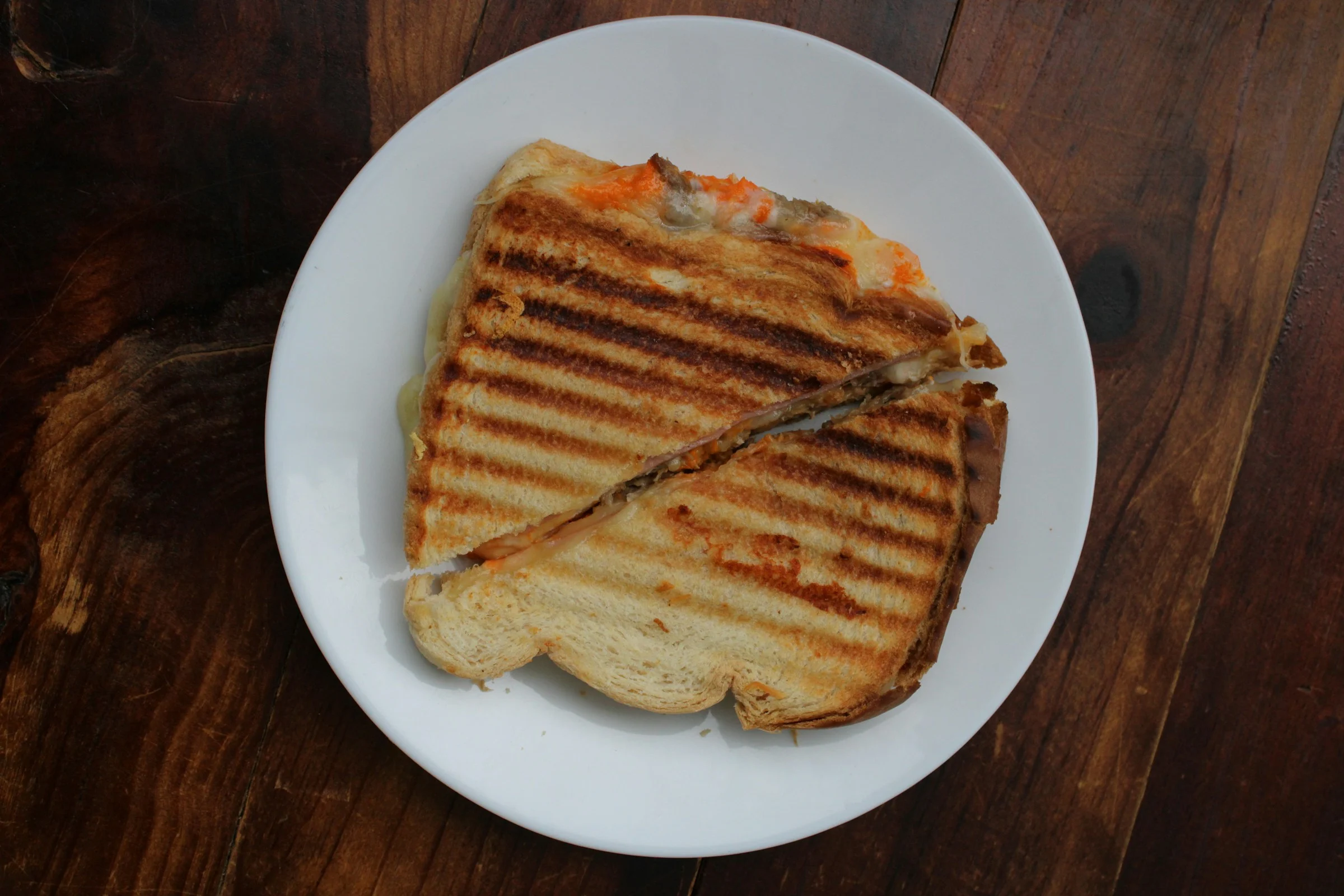
| Plain and dry | Toast, crackers, plain biscuits | Mild taste and little smell |
| Salty | Crisps, salted nuts, cheese, soup | Can settle the stomach for some people |
| Cold or frozen | Yoghurt, sorbet, ice pops, cold sandwiches | Cold foods usually smell less |
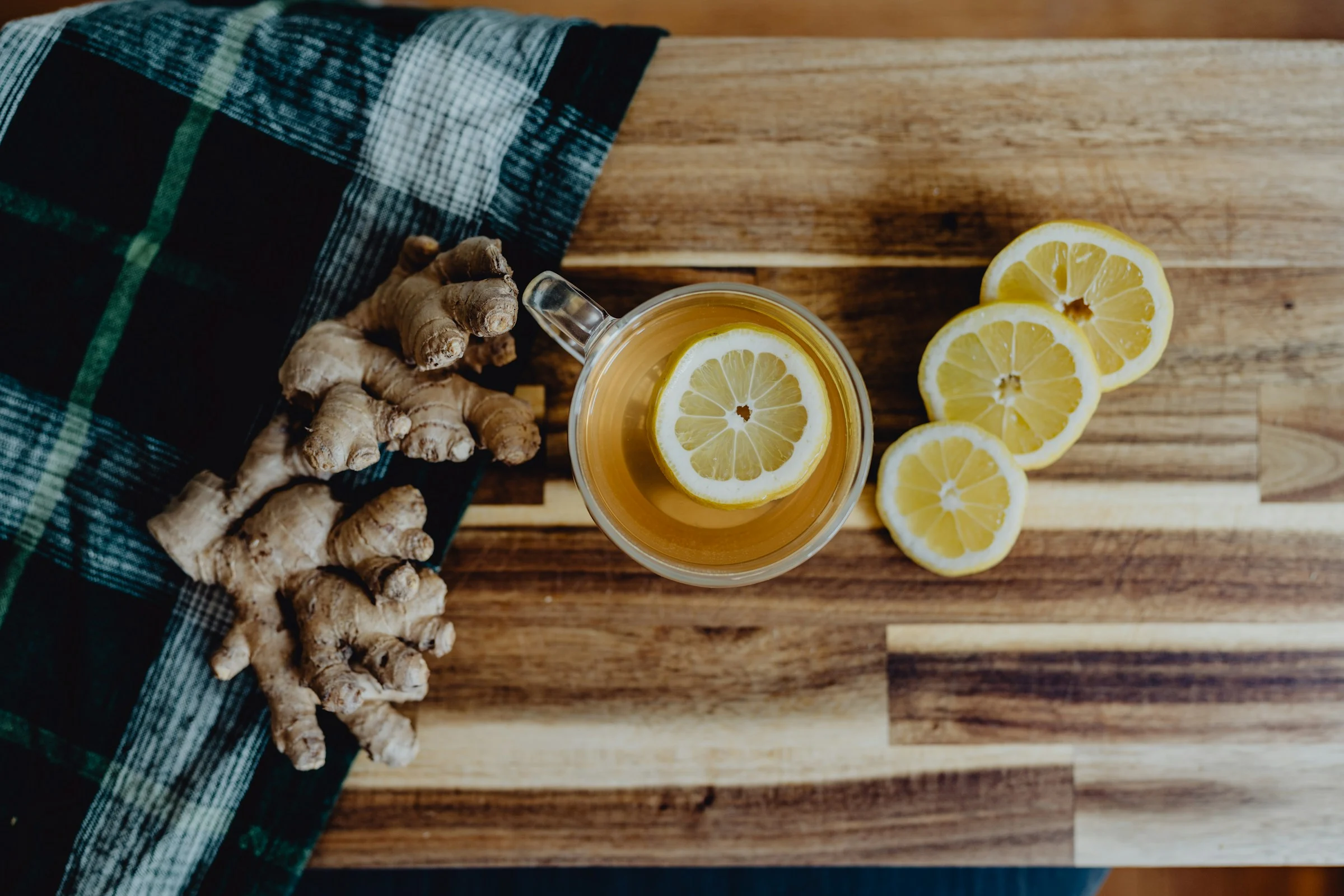
| Ginger and mint | Ginger biscuits, ginger tea, peppermint tea, mints | Commonly suggested in NHS leaflets |
| Nourishing drinks | Milky drinks, soup, juice, supplement drinks | Sipped slowly, they add energy when solids feel too much |
How to eat and drink when you feel sick
Small habits can matter as much as the food itself.[1][2]
Eat slowly, chew well and stay upright for a couple of hours afterwards rather than lying flat. Avoid strong cooking smells, and sit near an open window if the room feels stuffy.
Drink between meals more than with them. One hospital suggests avoiding large drinks, over about 100 ml, just before or after eating, while small sips during a meal are fine.[2] Caffeine, alcohol and cigarettes can upset the stomach, so it is best to avoid them for now.[2]
Anti-sickness medicine and timing
If you have been prescribed anti-sickness medicine, take it regularly as directed. Dietitians note that it usually works best when taken before meals.[1]
If it is not working, say so. The ward may be able to change the medicine, the dose or the timing.
Keeping hydrated if you are being sick
Keep sipping, even when you do not feel like eating. You do not need to force food, and missing a couple of meals is usually harmless unless it keeps happening.[1]
Oral rehydration drinks from a pharmacy can help replace lost fluid and salts.[1] When you feel able to eat, restart with small amounts of plain, dry food or clear soup, then build back up gradually.[1]
Where a nutritional shake fits
When solid food feels like too much, a nourishing drink can help. The Post-Op SurgiFuel™ shake is a food supplement labelled with 9.6 g of protein and 166 kcal per 50 g serving.
A full serving is mixed into about 300 ml, which is a large drink if you feel sick, so ask your team or dietitian whether and how to use it. If packing food for a stay, what to pack for hospital covers what wards usually allow.
When to call for help
Seek medical advice if you cannot keep fluids down for more than 24 hours, or if you cannot keep your medicines down.[1] If you are struggling to eat and losing weight, ask for a dietitian referral.[1]
Severe tummy pain, a swollen tummy, blood in your vomit or being unable to pass wind need prompt advice, so contact your team, GP or NHS 111. The checklist of questions for your surgical team includes what to ask before you go home.
The short version. Ask what you can have, eat little and often, favour plain, dry or cold foods, sip between meals and take anti-sickness medicine as prescribed. Call for help if you cannot keep fluids down.[1][2][3]
Frequently asked questions
What can I eat when I feel sick after surgery?
Plain and dry foods such as toast and crackers, salty snacks, cold foods, ginger and mint are the most common suggestions in NHS leaflets. Eat small amounts every 2 to 3 hours.[1][2]
Is it normal to feel sick after anaesthetic?
Yes, it is common and can reduce your appetite. The ward can prescribe medicine to help, so tell your nurse.[3]
Should I drink with meals if I feel sick?
Small sips are usually fine. Dietitians suggest drinking between meals and avoiding large drinks just before or after eating.[1][2]
How long can I go without eating?
Missing a couple of meals is usually harmless unless it keeps happening, but keep sipping fluids. Seek advice if you cannot keep fluids down for more than 24 hours.[1]
Can I use a protein shake if I feel sick?
Possibly, if your team agrees. Sip it slowly, because a full serving is a large drink, and ask your dietitian how to use it.
Sources
- University Hospitals Coventry and Warwickshire, Nausea and vomiting (dietitian leaflet) (April 2024; review due April 2027).
- University College London Hospitals, Coping with nausea (page updated September 2024; its review date has passed, so check with your team).
- Torbay and South Devon NHS Foundation Trust, Drinking and eating after surgery (page updated October 2025).
Keep reading
No appetite after surgery · Constipation after surgery · The complete surgery nutrition guide
This article is general information, not medical advice, and it does not replace advice from your surgical team, dietitian or GP. Professor Sandip Hindocha, who founded Nutrition for Surgery, has a financial interest in SurgiFuel™. We cite our sources and review articles about every six months; see our editorial policy. Next planned review: May 2027.