By the Nutrition for Surgery team · Published 6 November 2026 · 7 minute read
If you have diabetes, your hospital will give you its own written plan for fasting and for your medicines, and that plan matters more than any general article.[1][2] The common pattern is a pre-assessment so your diabetes control can be checked, set fasting times, a bag with your equipment and hypo treatments, and a return to normal eating as soon as you are able.[1][2][3]
This guide explains what NHS leaflets say and why instructions differ. Treat it as background for the conversation with your team, not as instructions.
Key points
- Follow the written plan from your own hospital, because fasting times and medicine changes differ between trusts.[1][2][3]
- Your blood sugar control, often measured by HbA1c, is usually checked at pre-assessment.[1]
- Bring your equipment, medicines and something to treat a low blood sugar.[1][2][3]
- After surgery, return to your usual amounts of food as soon as you can, and do not cut back without changing treatment.[1]
- Never stop insulin on sick days, and know when to call for help.[1][2]
Tell your team early, at pre-assessment
Your HbA1c is usually checked at pre-operative assessment. One hospital aims for 8.5% (69 mmol/mol) or lower before planned surgery, although some people need a lower target and some need extra support from the diabetes team.[1] You may be referred back to your GP or hospital diabetes team first.[1]
Urgent surgery, for example for cancer, may go ahead even when the level is higher, with closer monitoring.[1] Ask what target applies to you and what you can do before the date. If you have not yet seen it, the checklist of questions for your surgical team is a useful starting point.
Fasting times differ between hospitals
Three NHS leaflets give three different sets of times. That is the point: they are examples, not times to copy, so use the ones on your own letter.[1][2][3]
| Leaflet | Morning operation | Afternoon operation |
|---|---|---|
| Leicester’s Hospitals | No food after 2am. Clear fluids until 6am. | Light breakfast before 7am. Clear fluids until 11am. |
| South Tees | No food after midnight for admission before 10.30am. Clear fluids until two hours before admission. | Light breakfast before 7am for admission from 10.30am. Clear fluids until two hours before admission. |
| Queen Victoria Hospital | No food after midnight. Clear fluids until 6am. | Breakfast before 7am. Clear fluids until 11am. |
Our article on what nil by mouth means before surgery explains why hospital rules vary. Avoid chewing gum during the fast unless told otherwise.[1][2]
Medicines on the day
Diabetes medicines and insulin are often adjusted around fasting, but the changes depend on the type you take.[1][3] Leaflets differ even on common tablets. For example, SGLT2 inhibitors are stopped anywhere from the day before to three or four days before surgery, depending on the hospital.[1][3]
Do not change doses unless your team has written them down for you. Tell them about every tablet and injection you use, including newer injectable diabetes and weight-loss medicines, because advice on these varies.
Low blood sugar while fasting
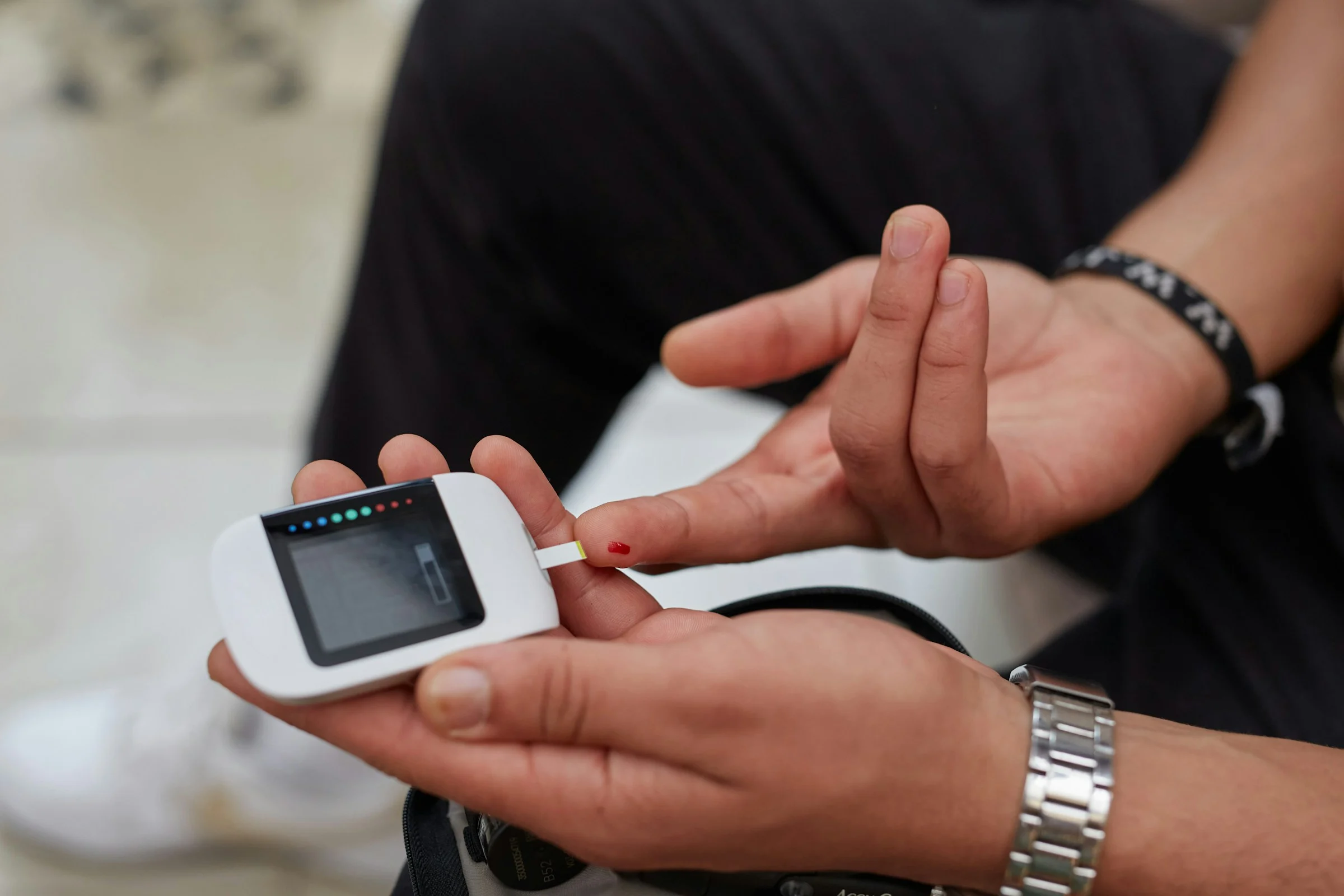
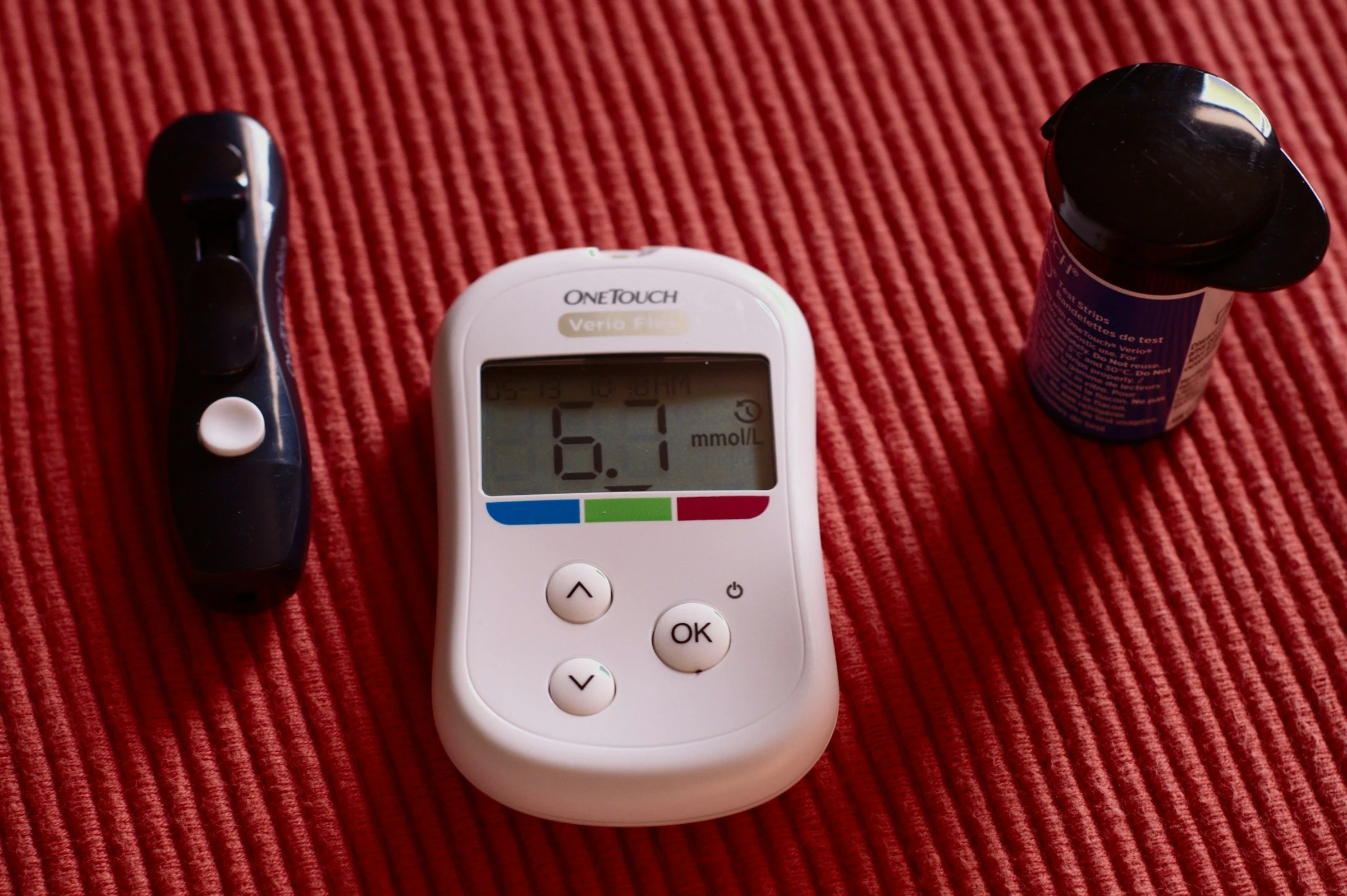
A low blood sugar is a particular risk when you are not eating. Two leaflets say to treat a reading below 4 mmol/L, while another uses 6 mmol/L, so ask which number your team wants you to use.[1][2][3]
Typical treatments are four glucose tablets or about 150 ml of a sugary drink, rechecking after 10 to 15 minutes.[1][2][3] Tell the hospital staff, because your surgery may need rearranging.[2][3]
Pack glucose tablets or a sugary drink, and carry them on the way to hospital.[2][3] If you drive, leaflets say your blood sugar should be at least 5 mmol/L first.[1][3]

Eating after surgery
Eat your usual amount and types of food as soon as you are able, with a starchy food at each of three meals a day.[1] Cutting back without changing your treatment can cause low blood sugar.[1]
Blood sugar may run higher than usual for a day or so after surgery, so check it more often than normal.[3] Hospitals often aim for a range of about 5 to 12 mmol/L.[1] Restart your usual diabetes medicines with your first normal meal unless told otherwise.[3]
If your appetite is small, our guide to eating with no appetite after surgery has ideas that still keep you eating regularly.

Sick day rules after you go home
If you are unwell at home, never stop insulin.[1][2] Keep drinking, at least 100 ml of water or sugar-free fluid every hour in one leaflet and about 2.5 litres a day in another.[1][2]
If you cannot eat solid food, milk, fruit juice, non-diet fizzy drinks or ice cream can stand in.[1][2] Call your diabetes nurses or GP if you have continuous vomiting or diarrhoea, a high fever, cannot keep food down for four hours or more, or your blood sugar is above 15 mmol/L.[1][2] Out of hours, use the out-of-hours service or go to A&E.[1][2]
Where a protein shake fits
Check the label before using any shake. The Pre-Op SurgiFuel™ shake has 28 g of carbohydrate per 50 g serving, of which 16 g is sugars, and the Post-Op shake has 27 g, of which 15 g is sugars. A full day uses two servings.
If you have diabetes, ask your team or dietitian before using either, and ask how to count the carbohydrate in your plan. They are food supplements, not replacements for your meals. For the weeks before surgery, a practical eating plan covers the food side.
The short version. Follow your own hospital’s written plan, tell the team early, bring supplies, treat lows promptly, go back to normal eating when able and use the sick day rules at home.[1][2][3]
Frequently asked questions
Can I eat before surgery if I have diabetes?
Only within the fasting times on your own letter. Examples from NHS leaflets vary, from no food after midnight to a light breakfast before 7am for afternoon operations, so follow your hospital.[1][2][3]
What should I do if my blood sugar drops while I am fasting?
Treat it as your team has told you, commonly with four glucose tablets or about 150 ml of a sugary drink, and tell the staff.[2][3]
Should I take my diabetes medicines on the morning of surgery?
It depends on the medicine and your hospital. Some are continued, some are skipped and insulin doses are often reduced, so follow your written plan.[1][3]
Will surgery raise my blood sugar?
It can run higher than usual for a day or so, so check it more often and contact your diabetes team or GP if it stays high.[3]
Can I have a protein shake if I have diabetes?
Ask your team or dietitian first. Pre-Op has 28 g of carbohydrate per 50 g serving and Post-Op has 27 g, so it needs to fit your plan.
Sources
- Leicester’s Hospitals, Managing your diabetes for planned surgery (diabetes passport) (July 2024; review due July 2027).
- South Tees Hospitals, Fasting instructions for adults with diabetes before general anaesthetic (July 2023).
- Queen Victoria Hospital, For people with diabetes undergoing surgery or procedures requiring a period of fasting (May 2023; review date May 2026 has passed, so we use it for general points only).
Keep reading
Eating plan before surgery · Nil by mouth before surgery · The complete surgery nutrition guide
This article is general information, not medical advice, and it does not replace advice from your surgical team, dietitian or GP. Professor Sandip Hindocha, who founded Nutrition for Surgery, has a financial interest in SurgiFuel™. We cite our sources and review articles about every six months; see our editorial policy. Next planned review: May 2027.